Tag: capitalism
-
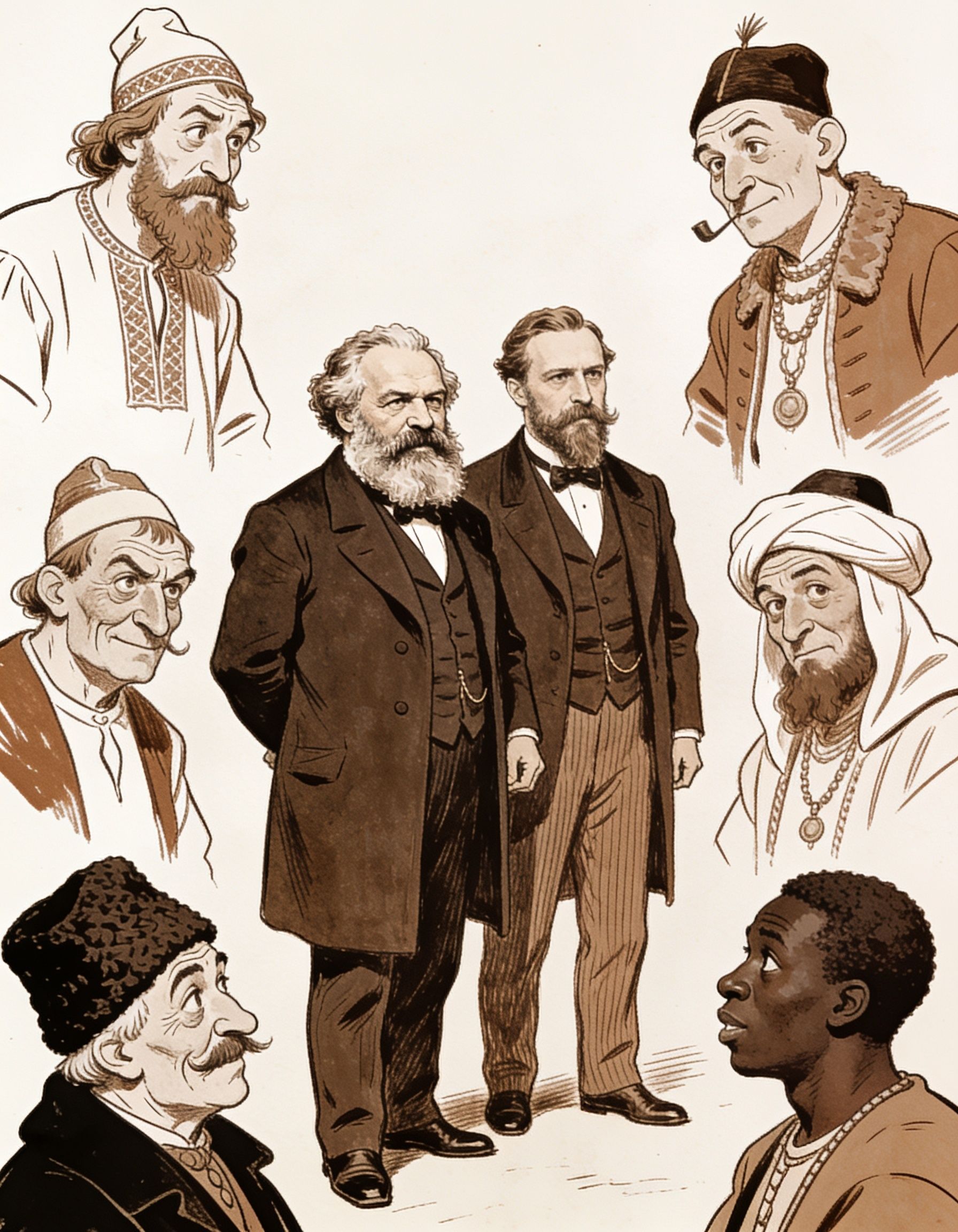
Marx and Engels’ disgusting remarks about Slavs, Jews and Blacks
Karl Marx and Friedrich Engels presented themselves as thinkers concerned with exploitation, inequality and human emancipation. Their writings helped inspire political movements that claimed solidarity between workers regardless of nationality. Read some of their other writings, however, and the picture becomes considerably uglier. Marx and Engels occasionally wrote about Jews, Black people and entire Slavic…
-

Why society’s best minds work in the wrong places
Every election campaign sounds remarkably similar. Politicians promise better schools, better healthcare, more efficient public administration, and greater investment in science. Almost everyone agrees that these are among the pillars of a prosperous civilization. Parents want excellent teachers. Patients want excellent doctors. Citizens want competent public officials. Every country hopes for groundbreaking scientists whose discoveries…
-

Cruel bank robbery vs. financial crimes
When masked robbers storm into a bank with weapons, the event dominates headlines for days. Television stations replay security footage, newspapers print dramatic photographs, and politicians promise tougher penalties. Victims often describe the experience as one of the most traumatic moments of their lives. Being threatened with violence, believing you may die, or watching someone…
-

A circus came to the US. After years, the show was over
Once upon a time, there was a country called the United States. Long ago, its politics appeared ordinary. Presidents were often highly educated, institutions generally functioned, and although democracy was far from perfect, many people believed it still worked well enough. As the years passed, however, something changed. Invisible strings slowly spread across the kingdom.…
-

When stealing accelerates progress: The AI race between the US and China
Artificial intelligence has become one of the defining technologies of the twenty-first century. It may transform medicine, education, science, transportation, manufacturing, finance, communication, and warfare. It may also change how people work, how governments exercise power, and how companies create wealth. Therefore, the race for leadership in artificial intelligence carries enormous economic and political importance.…
-
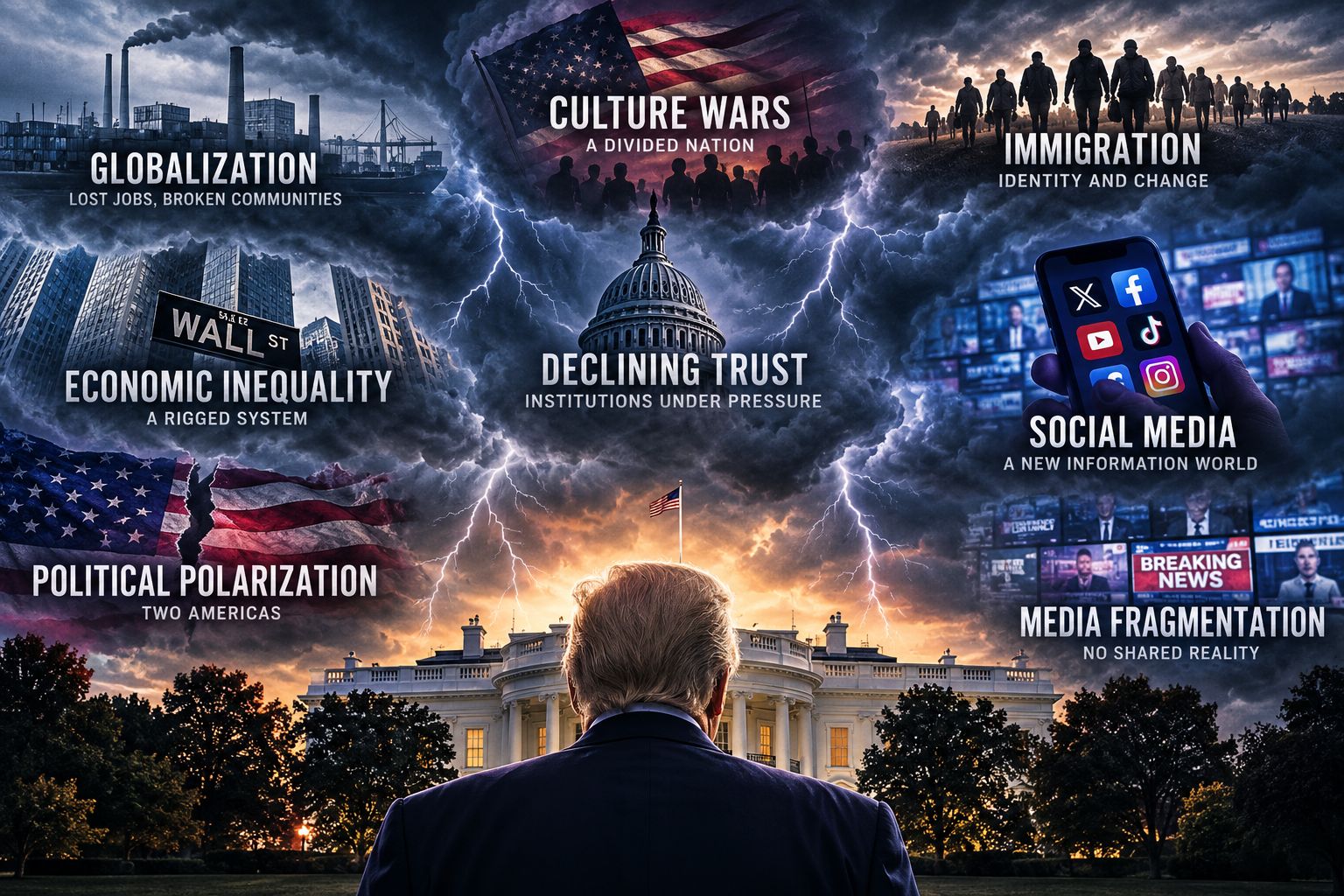
The forces that created Donald Trump
Donald Trump is one of the most polarizing political figures of the twenty-first century. To his supporters, he is the man who challenged a corrupt establishment, defended national interests, and gave a voice to ordinary Americans. To his critics, he represents populism, division, and an assault on democratic norms. Both camps often make the same…
-
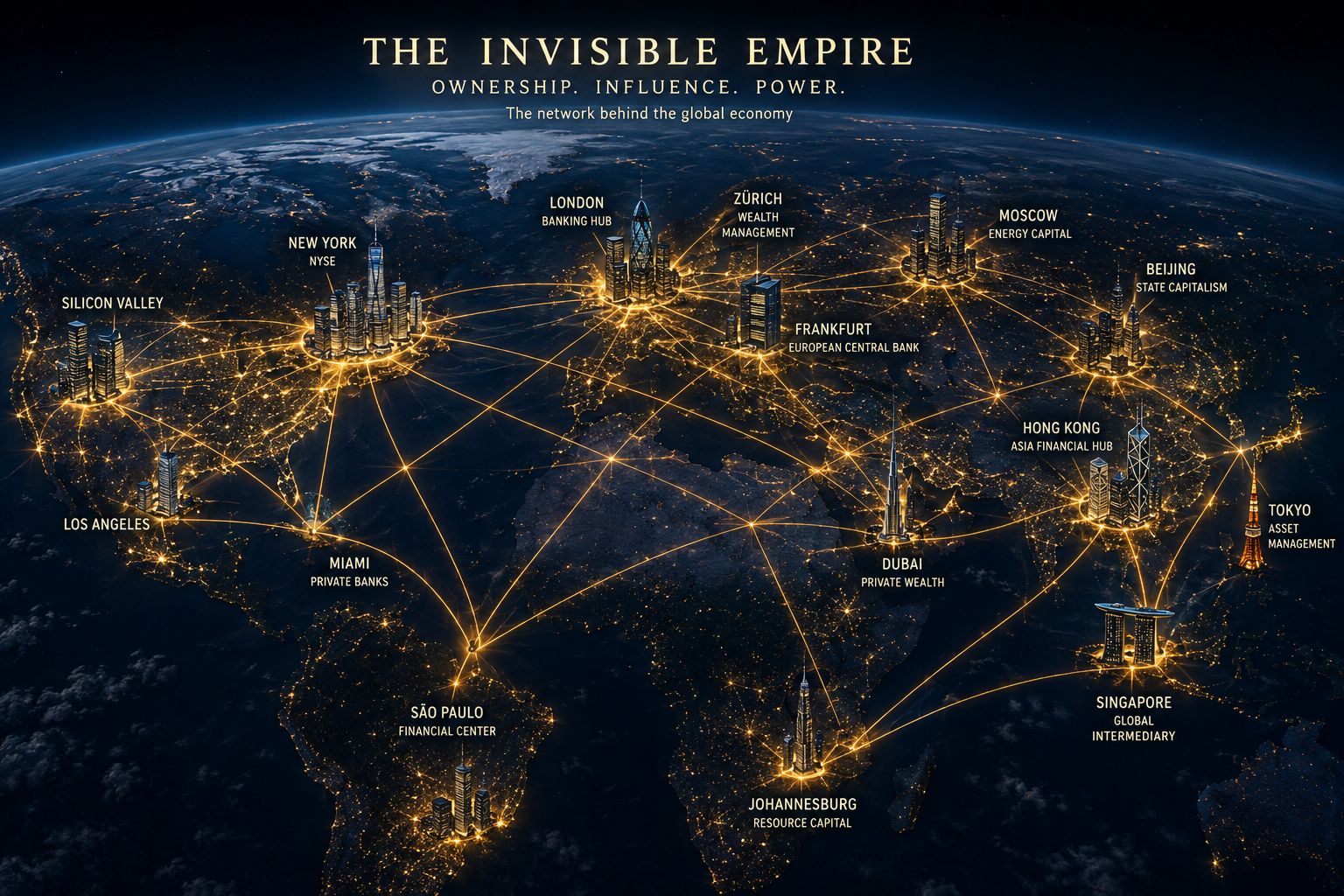
Inherited wealth, little innovation, lower taxes?
Capitalism has always been sold as a system of competition. The idea appears straightforward. Anyone with talent, determination, and a good idea can build a successful business. Consumers choose the best products. Inefficient companies disappear. New inventions replace old ones, while every entrepreneur has an opportunity to challenge the market leaders. Wealth, in this view,…
-

Even the Pope can be sometimes right
I am not only an atheist, but I also dispute central tenets of Christianity. I believe neither in a theistic nor a deistic God, and I also have serious doubts that Jesus Christ existed as a historical figure. In my opinion, he either did not exist at all, or the figure is based on someone…
-

Why revolutions always end in corruption
Revolutions begin with moral outrage. People rise because they believe society has become intolerably unjust. They see corruption, inequality, oligarchic control, repression, poverty, censorship, police brutality, foreign domination, or complete institutional decay. Consequently, revolutionary movements emerge with enormous emotional energy. At first, revolutions appear morally pure. Crowds gather in streets believing they fight for freedom,…
-
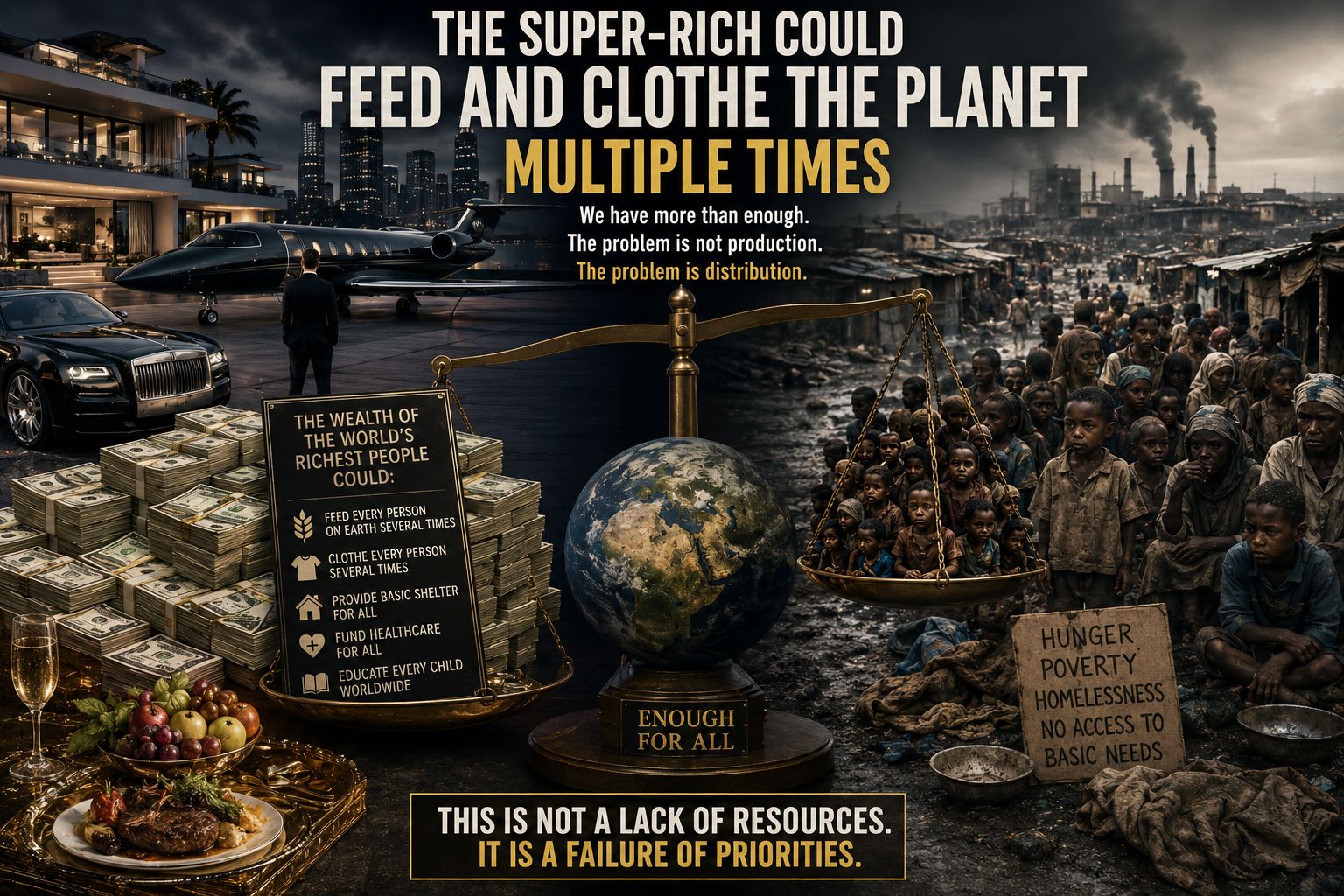
Why capitalism mirrors feudalism
Modern capitalism presents itself as the triumph of freedom over feudal hierarchy. According to its idealized image, anyone can rise through talent, discipline, innovation, and hard work. Markets supposedly reward merit. Competition supposedly prevents domination. Wealth supposedly reflects productivity. However, reality increasingly points elsewhere. The modern world contains unprecedented wealth. Trillions circulate through investment funds,…