Tag: USA
-

“Pedos should hang”: The U.S.–Europe divide
The language can sound like something from an anonymous social-media account: hang them, execute them, castrate them, make an example of them. Yet some of the most explicit versions have come from elected politicians. In the United States, calls to execute people convicted of sexual crimes against children have moved well beyond rhetoric. Several states…
-
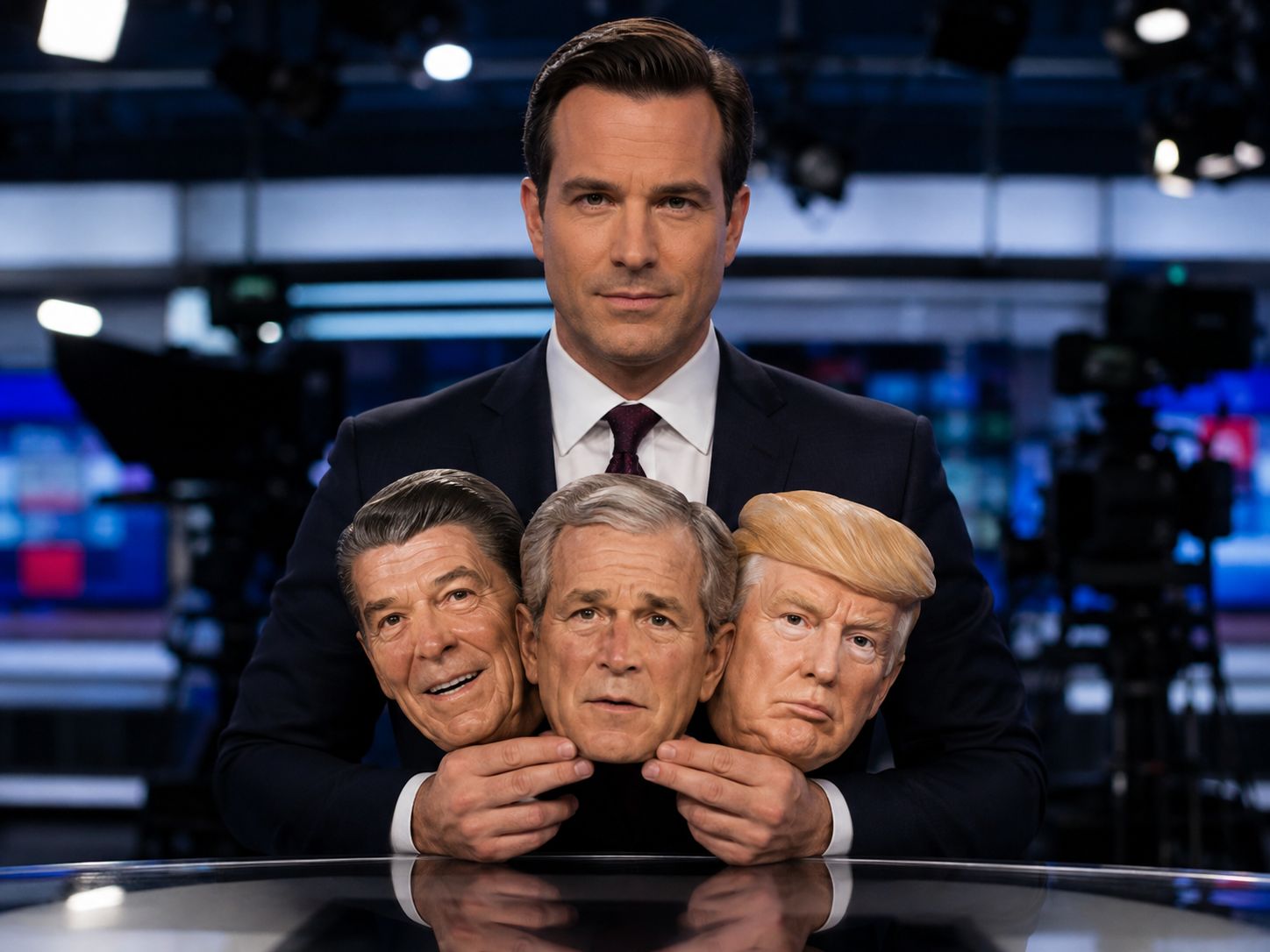
American political commentators: Useful idiots of the establishment
They are idiots, but make no mistake—they are extremely well paid idiots, and their fat paychecks should never be confused with intellectual honesty or moral courage. They speak with the swagger of prophets, yet their principles are nothing more than rental properties, leased out to the highest bidder on any given news cycle. Imagine, for…
-

Gross neglect of drug addicts in the US: Only celebrities are visible
Hayden Panettiere was famous, successful and recognizable to millions. She was also remarkably open about addiction. She described years of problems with alcohol and drugs, repeated attempts at treatment and a struggle for sobriety that continued alongside a successful acting career. Then, on August 16, 2026, Panettiere died at only 36. She was found unresponsive…
-
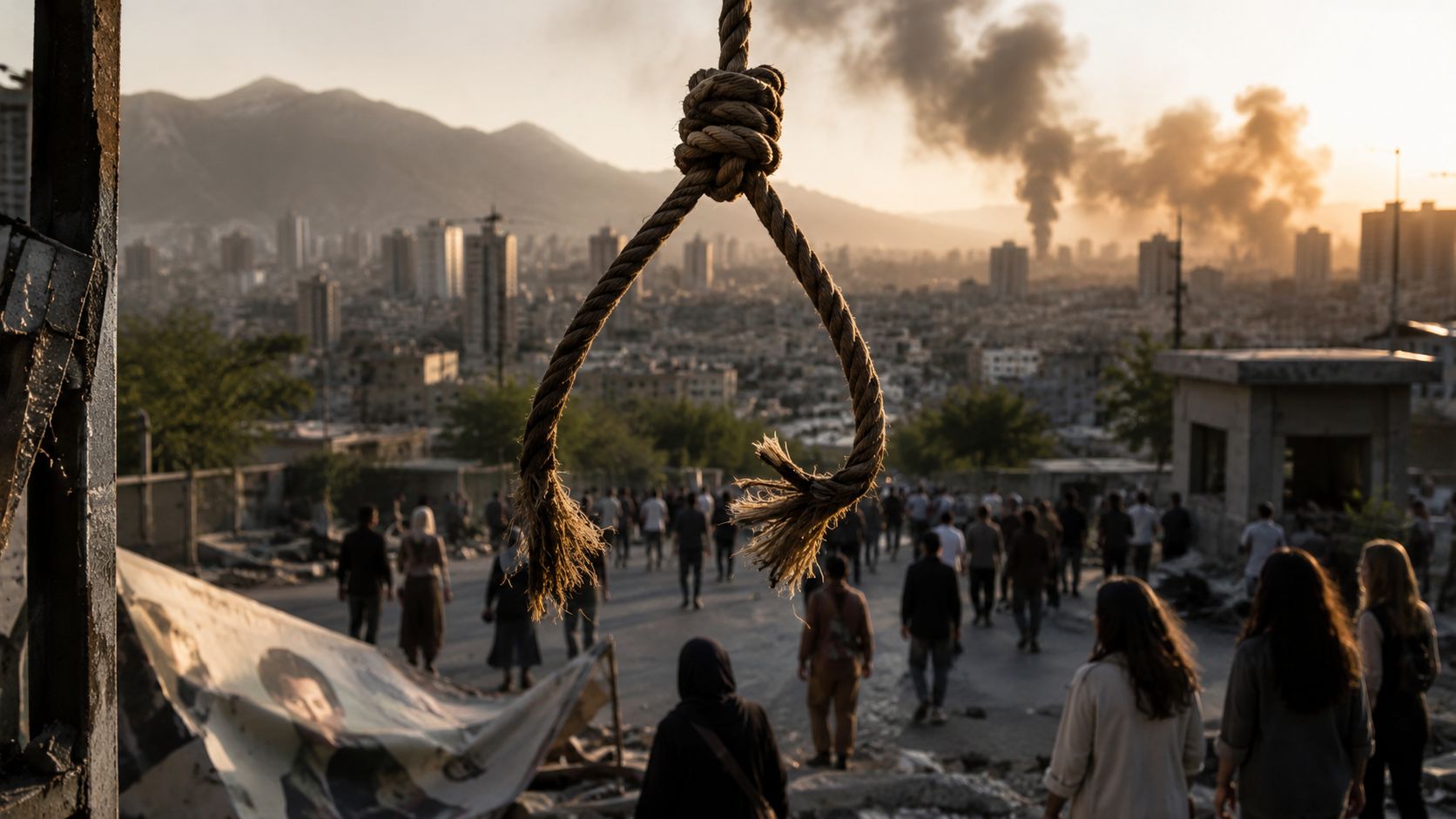
Would brutal human rights abuses in Iran stop with regime change?
There are many ways to discuss Iran. We can talk about nuclear weapons, uranium enrichment, Israel, the Persian Gulf, oil, sanctions, Russia, China, the United States and the balance of power in the Middle East. These subjects dominate international coverage because governments naturally view Iran primarily through the lens of geopolitics. For once, put all…
-
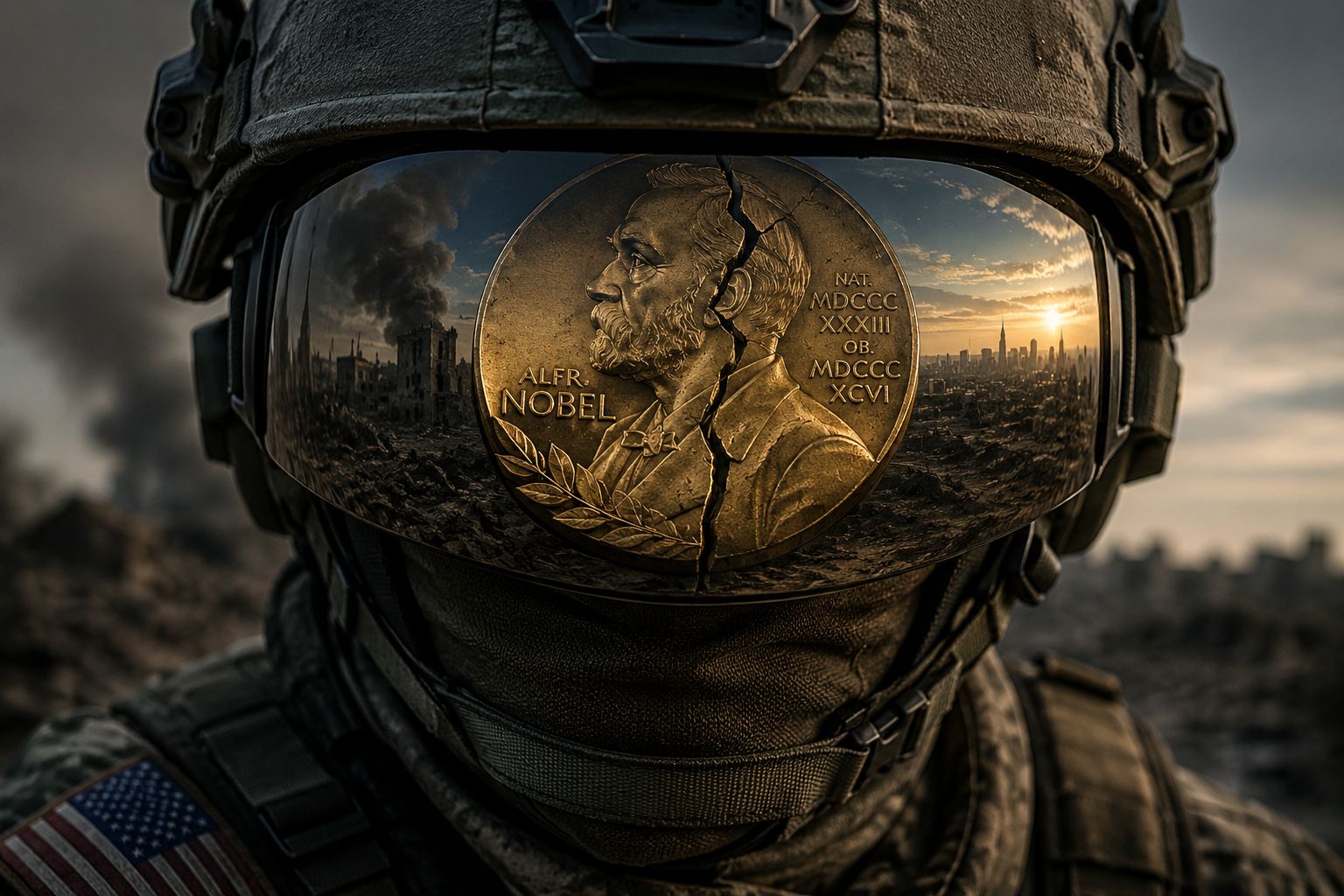
Nobel Peace Prize for the US Army? Yes and no
The Nobel Peace Prize has produced its share of controversial winners. Politicians still wage wars after receiving it. International organizations have been criticized for political bias. Even former U.S. President Barack Obama received the prize before many of his most important foreign policy decisions had unfolded. Yet one proposal sounds so absurd that most people…
-
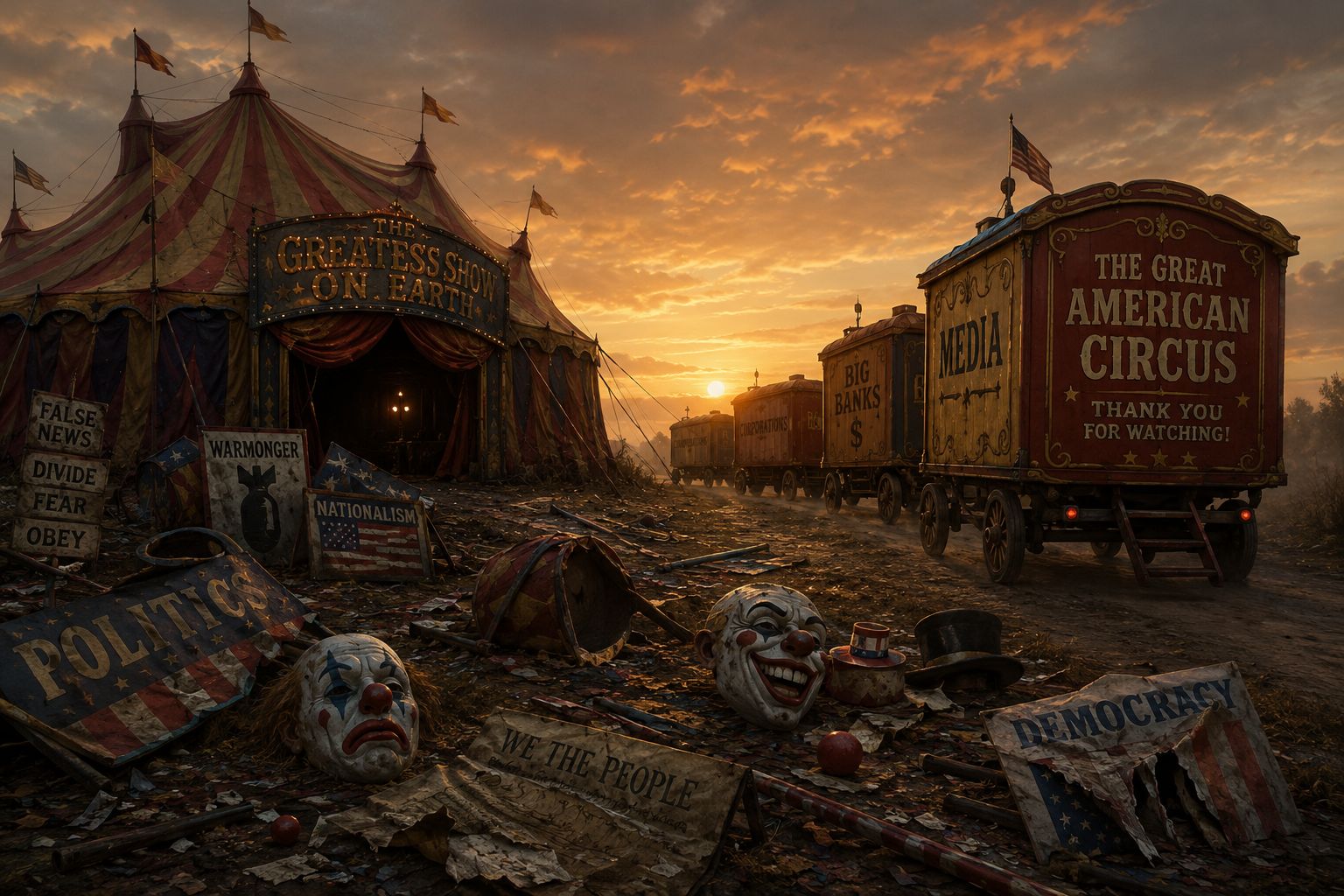
A circus came to the US. After years, the show was over
Once upon a time, there was a country called the United States. Long ago, its politics appeared ordinary. Presidents were often highly educated, institutions generally functioned, and although democracy was far from perfect, many people believed it still worked well enough. As the years passed, however, something changed. Invisible strings slowly spread across the kingdom.…
-
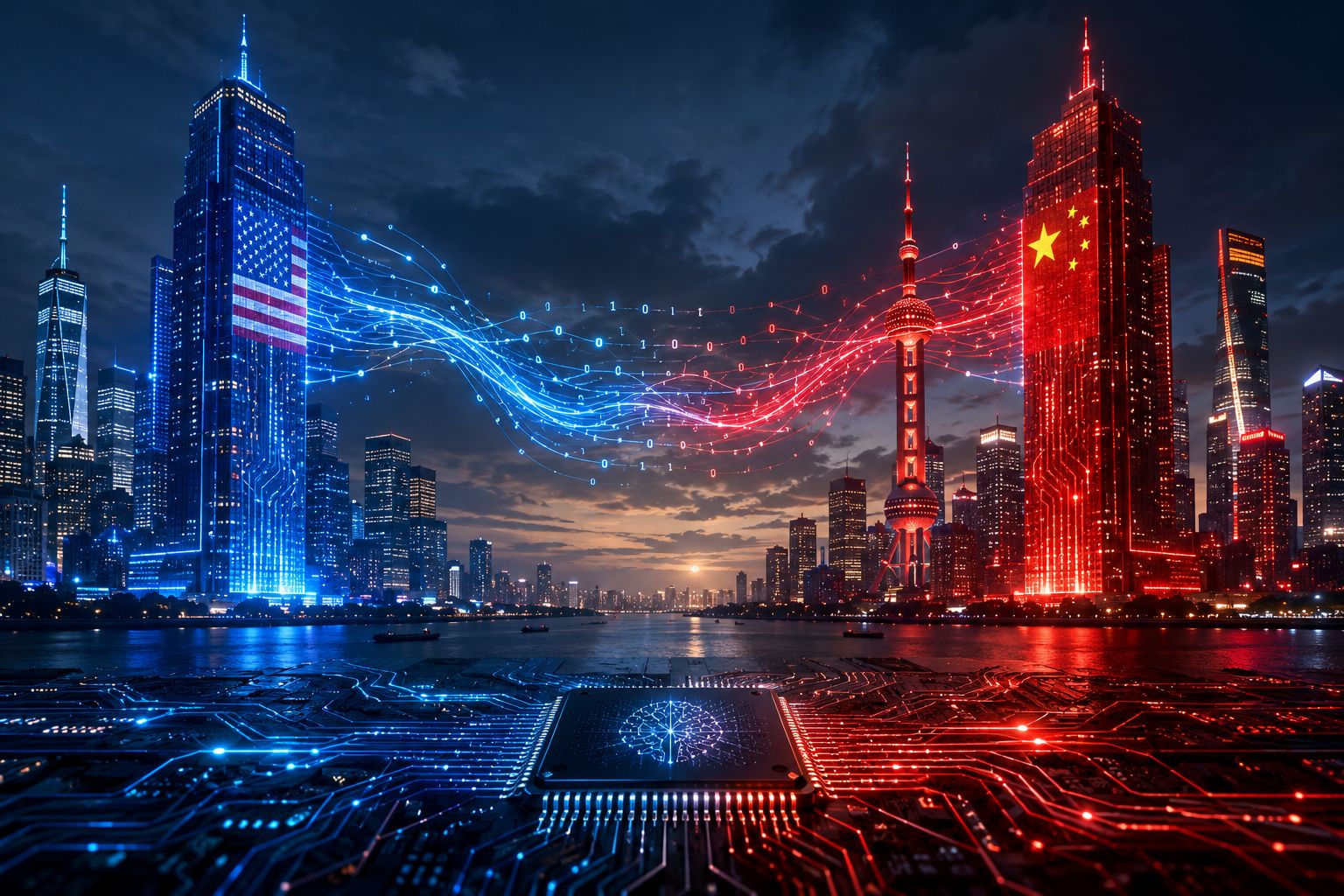
When stealing accelerates progress: The AI race between the US and China
Artificial intelligence has become one of the defining technologies of the twenty-first century. It may transform medicine, education, science, transportation, manufacturing, finance, communication, and warfare. It may also change how people work, how governments exercise power, and how companies create wealth. Therefore, the race for leadership in artificial intelligence carries enormous economic and political importance.…
-
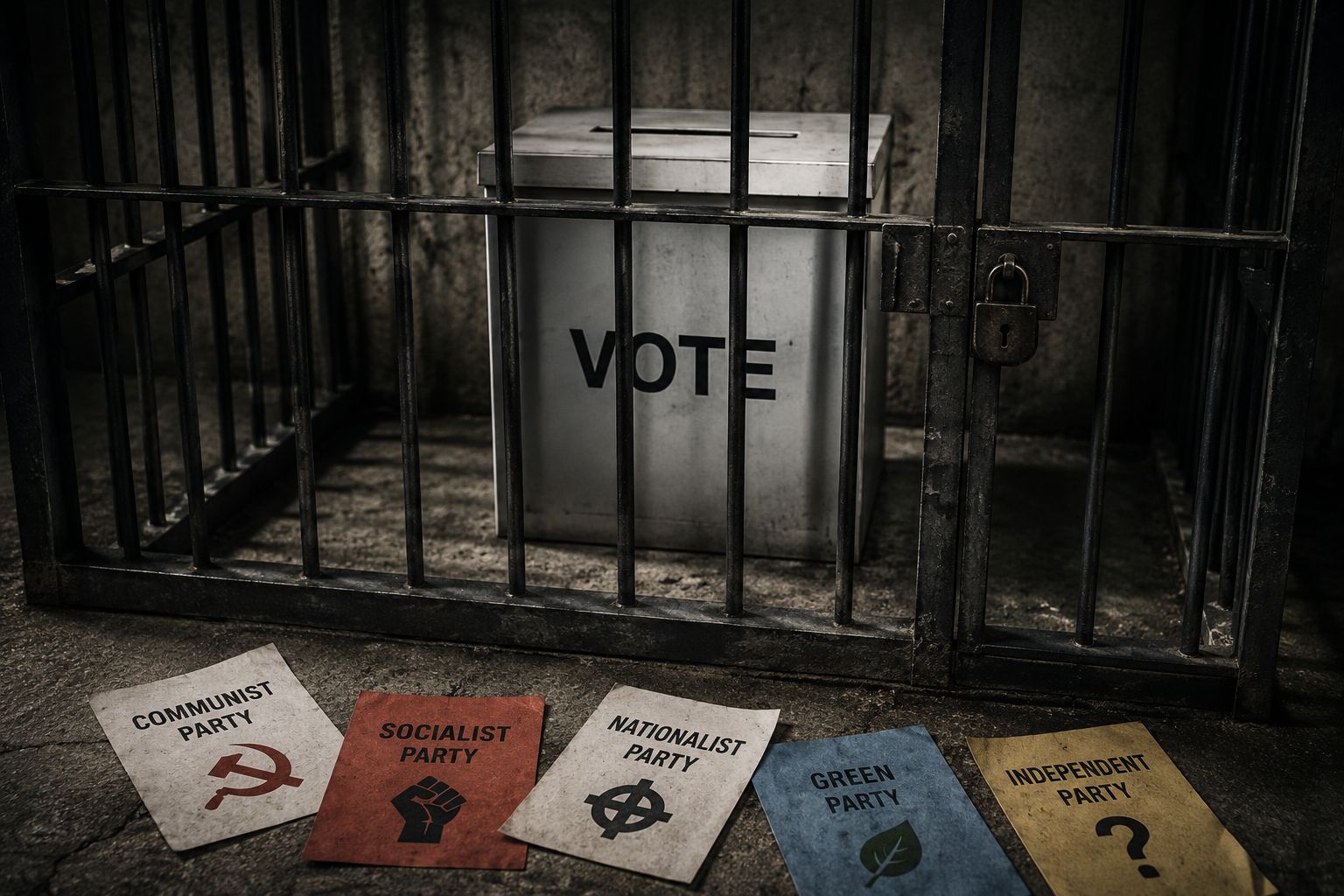
Banning a political party is no solution
Banning a political party may look like a solution. In reality, it creates a dangerous political precedent. A government first bans the extremists. Later, another government may ban the socialists, communists, nationalists, environmentalists, or anti-war movements. Eventually, the political establishment can outlaw anyone who threatens its power. Without free political competition, no real political change…
-
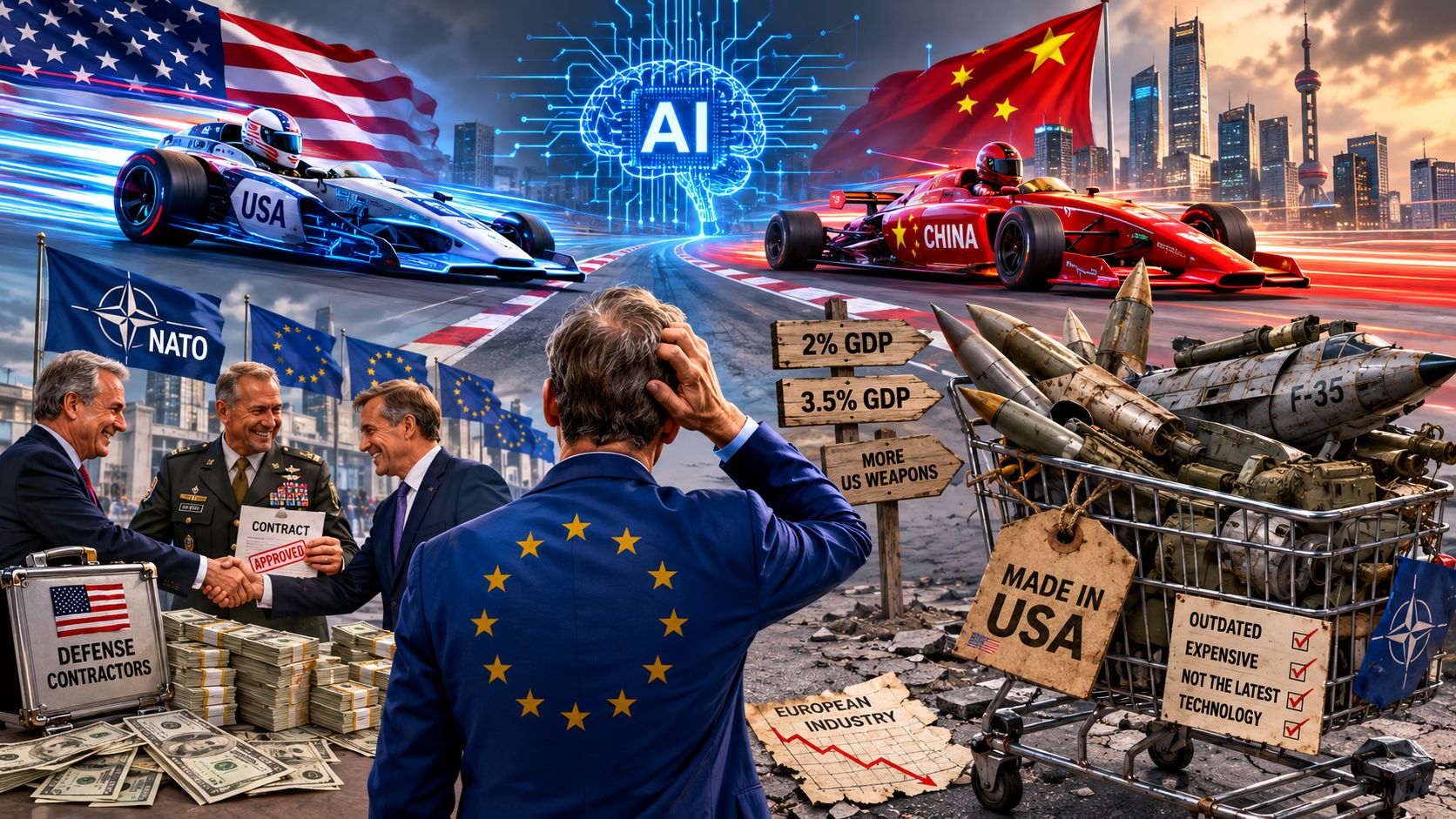
USA’s and China’s AI Race. NATO buys scrap from the USA
Artificial intelligence will shape the twenty-first century. Anyone who still doubts that reality ignores the biggest technological revolution of our time. AI will transform the job market. It will reshape education. It will redefine healthcare. Above all, it will revolutionize warfare. That is exactly why the United States and China compete so fiercely. The race…
-
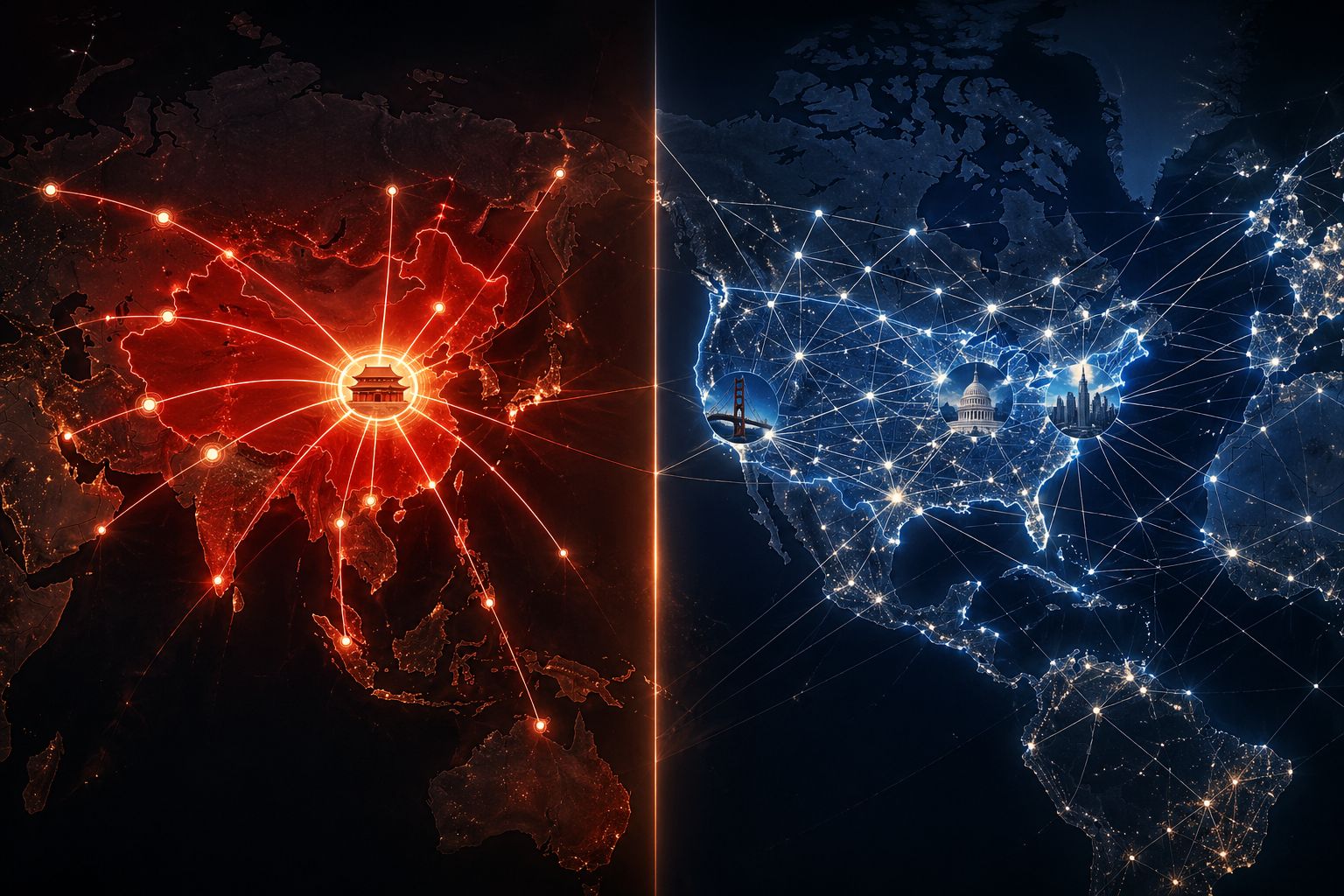
China as one mega-lobbyist, America as a battlefield of lobbies
China does not lobby like the West. Instead, it absorbs lobbying into the state. As a result, the boundary between state, corporation, and strategy begins to fade. At the center stands the Chinese Communist Party. It coordinates direction across sectors. Moreover, it enforces alignment when needed. Importantly, it does not eliminate interest groups. Rather, it…