Tag: science
-
Philosophy cannot define itself: 2,500 years and still no definition
What is philosophy? It sounds like one of the simplest questions imaginable. Ask a physicist what physics studies. They will tell you it investigates matter, energy, forces, and the laws governing the universe. Ask a biologist what biology studies. They will answer that it examines living organisms and the processes of life. Ask a linguist…
-
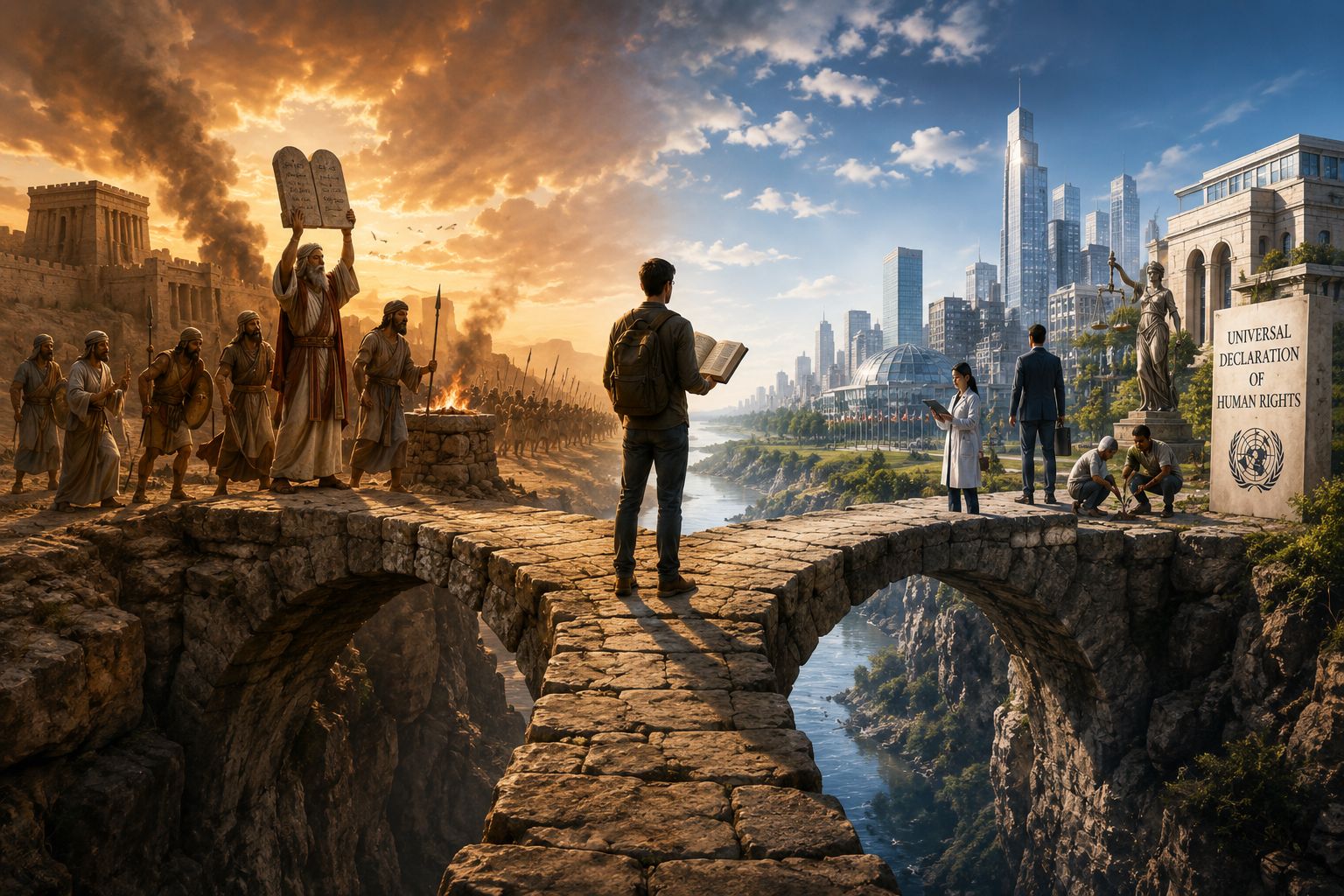
The Old Testament’s God as a true evil
This question is not merely academic. When the Old Testament is used to justify political policies, military actions, or social hierarchies, its moral content becomes a matter of urgent contemporary concern. The same scriptures that inspire charity and justice have also been invoked to defend slavery, colonialism, apartheid, and violence against marginalized groups. The Old…
-
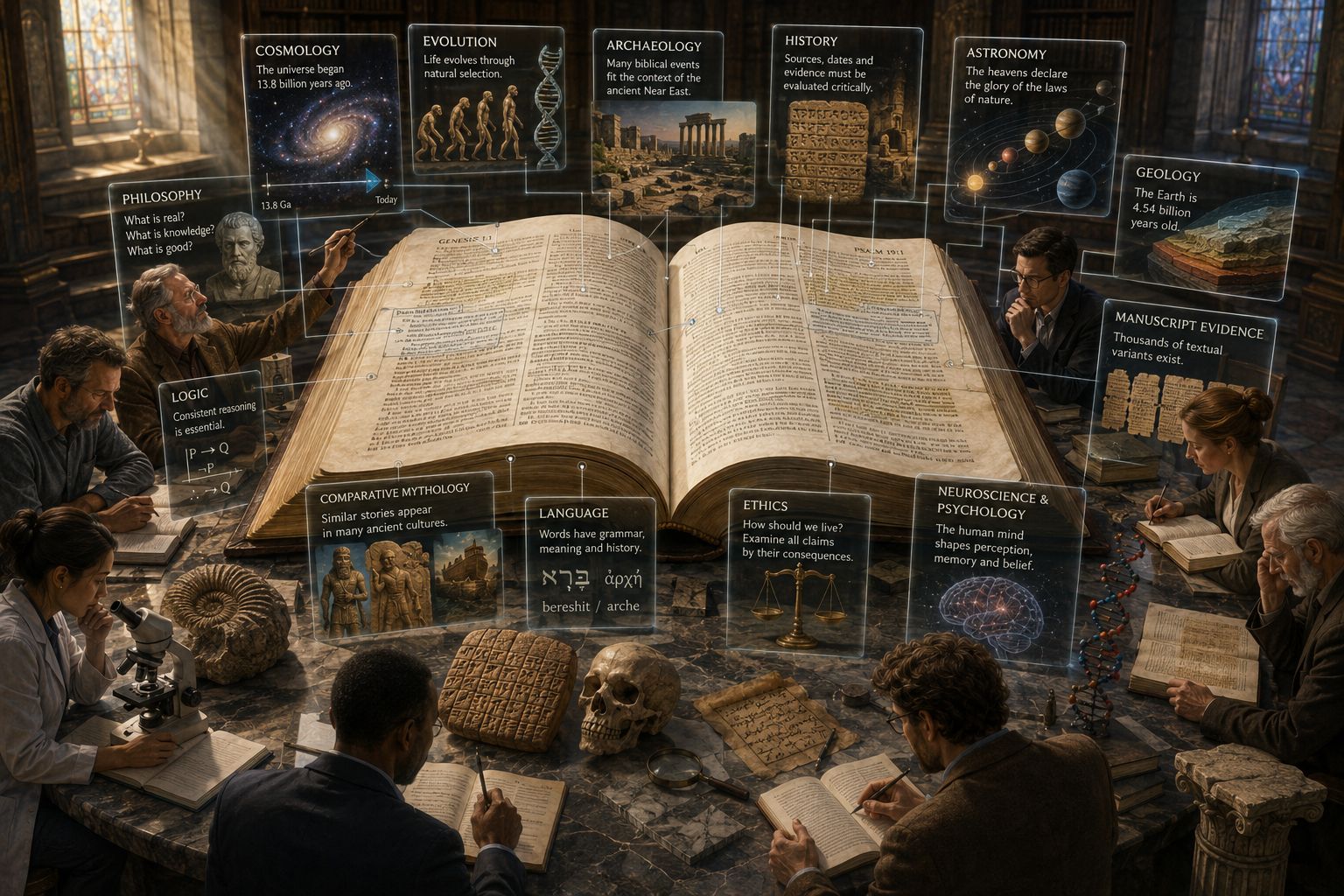
Who will publish a Bible explained by science and philosophy?
The Bible may be the most influential book in human history. It has inspired paintings, wars, constitutions, persecutions, charities, revolutions, and political movements. Billions of people consider at least part of it sacred. Even people who reject Christianity live in societies that Christianity helped shape. Nevertheless, most people have never read the Bible critically. They…
-
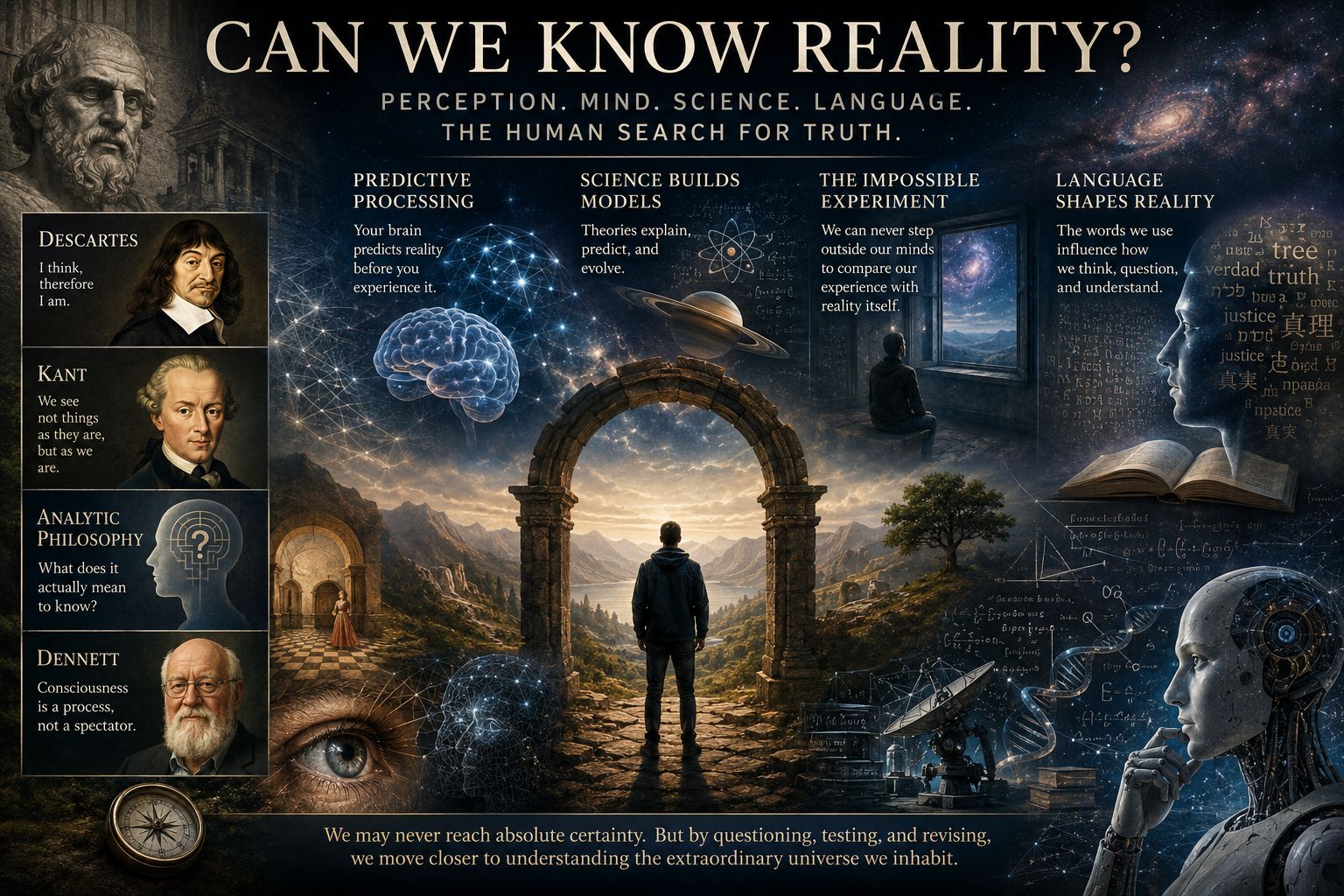
Everything you see may be an illusion. Can we ever know reality?
Look around you for a moment. You probably see walls, furniture, trees outside the window, or perhaps a computer screen displaying these words. Everything appears solid and obvious. Consequently, you instinctively trust what your eyes tell you. Nevertheless, philosophy asks a deeply uncomfortable question. What if you have never experienced the world itself? What if…
-
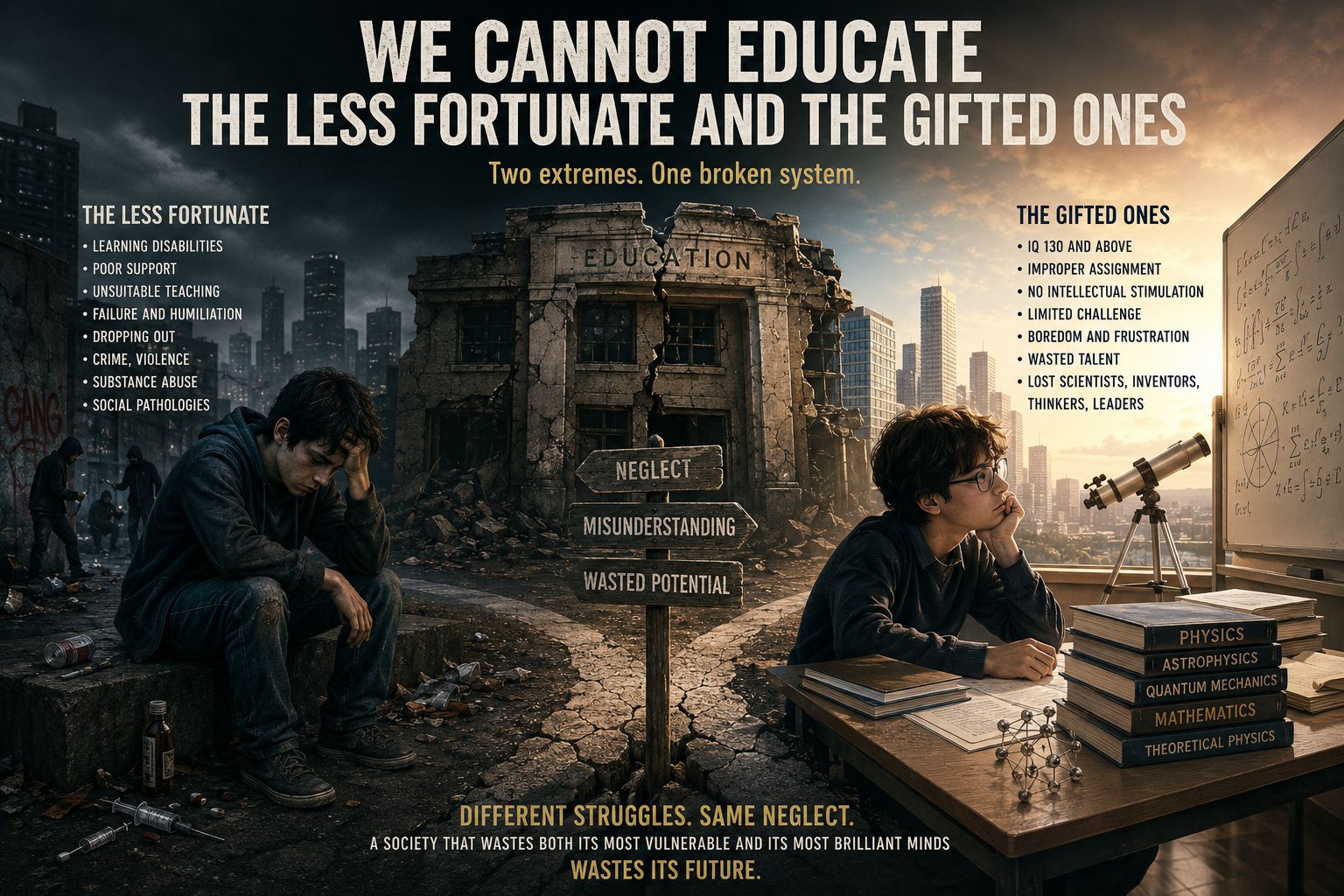
We cannot educate the less fortunate and the gifted ones
Modern education constantly speaks about equality, opportunity, and human potential. Schools promise social mobility. Politicians promise inclusion. Experts promise innovation. However, the reality looks very different. On one side stand students with learning disabilities, lower cognitive abilities, unstable family backgrounds, trauma, or behavioral problems. Many of them slowly collapse inside the system. They fail classes.…
-
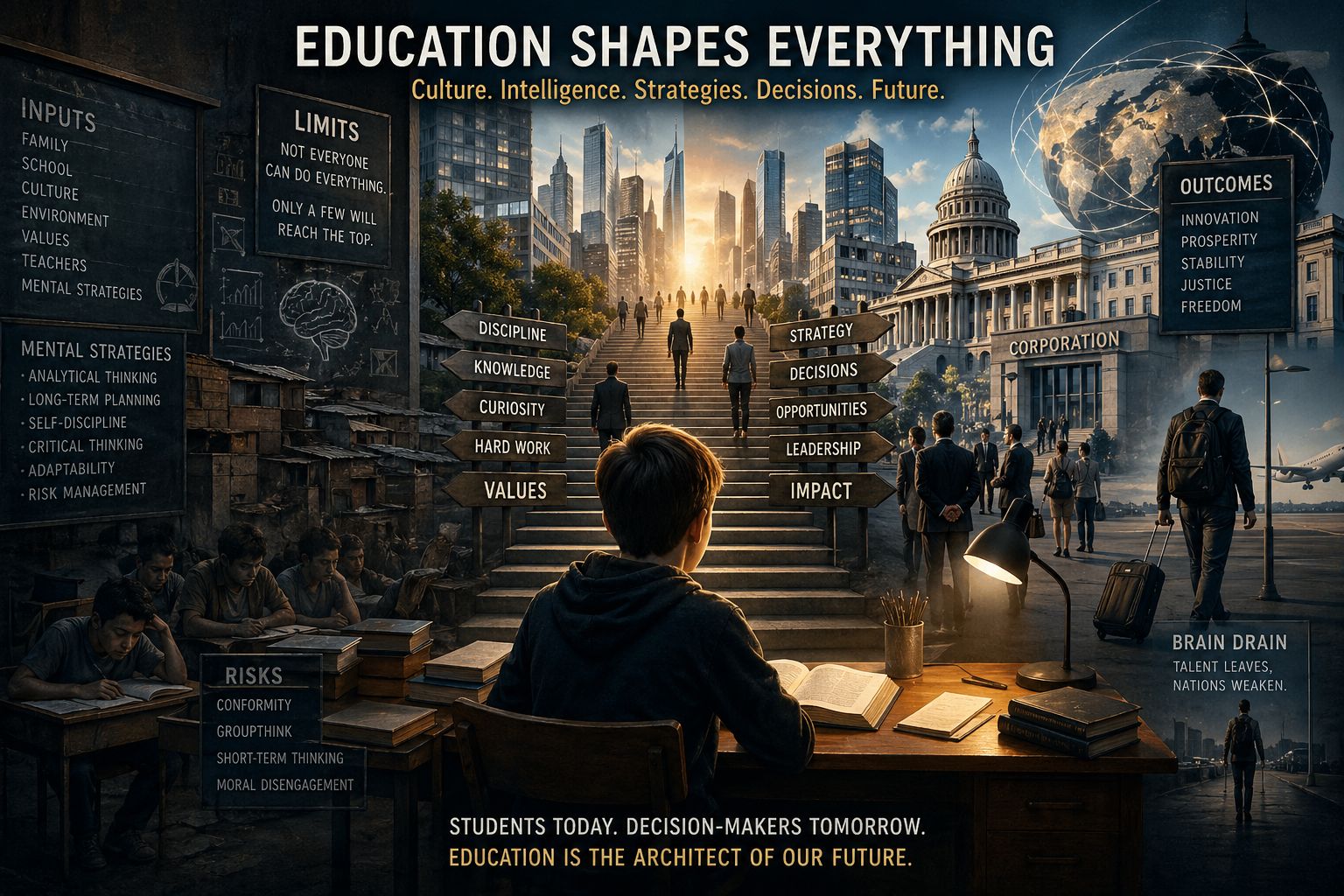
How far education goes: For those who cannot imagine
Education does not only transfer knowledge. It shapes perception. It defines what people see as possible, acceptable, and true. Therefore, when people underestimate education, they misunderstand society itself. Moreover, education operates quietly. It does not announce its influence. Yet it determines how individuals think, decide, and act. Consequently, its reach extends far beyond classrooms. Education…
-

How war built Silicon Valley: The military-tech complex
World War II reshaped not only borders but the relationship between science, industry, and power. It forced governments to mobilize knowledge at an unprecedented scale. It forced companies to innovate under pressure. It forced scientists to solve problems with immediate consequences. Therefore, the war did not only produce weapons. It produced a system. This system…
-

Navigating freethought and atheism in religious families
Freethought and atheism rarely emerge in isolation. Instead, they develop inside environments shaped by tradition, authority, and inherited belief. Therefore, the conflict does not begin as a philosophical disagreement. It begins as a social rupture. You do not merely question ideas. You challenge identity, hierarchy, and emotional bonds. Consequently, navigating this path requires far more…
-
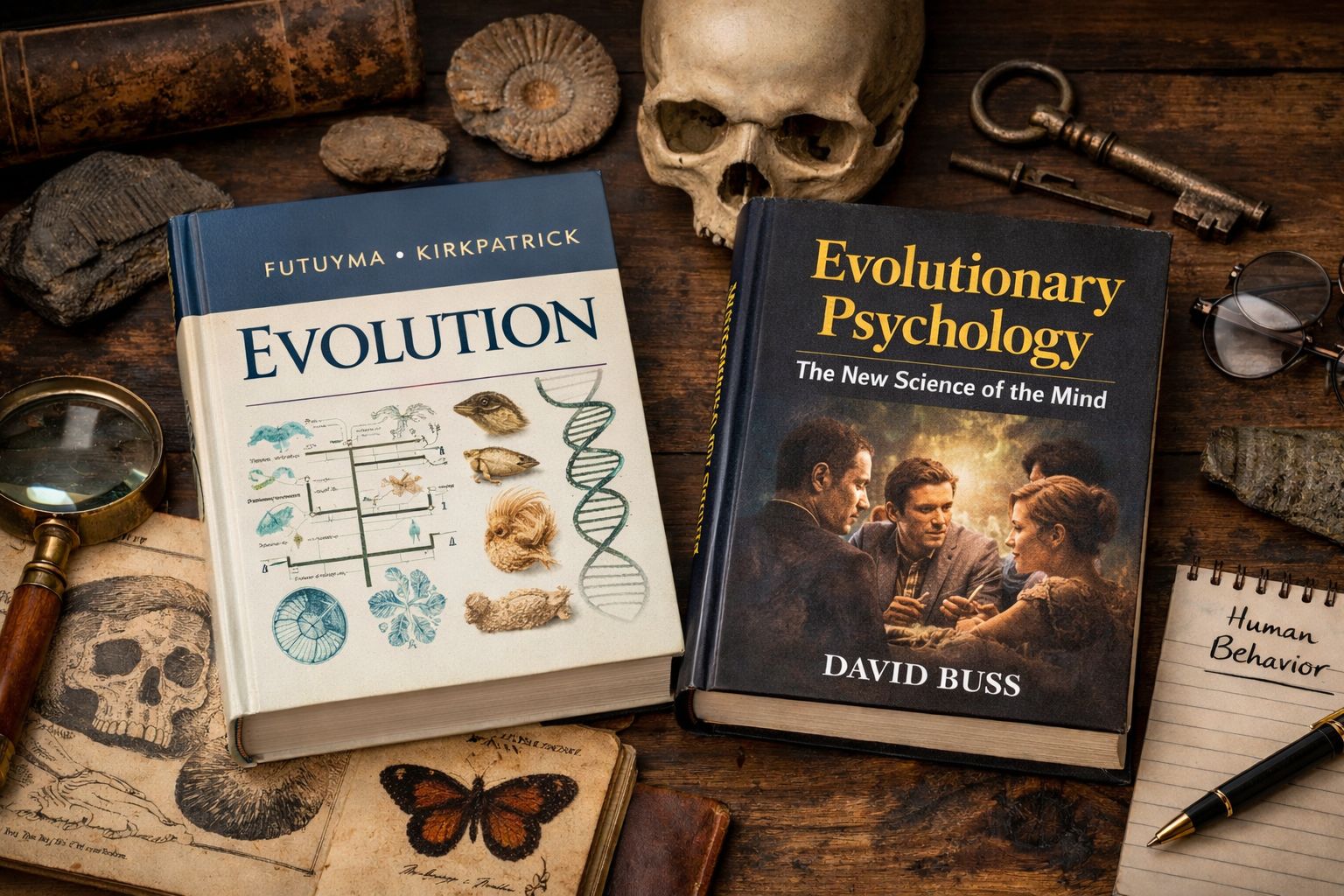
What makes me believe in evolution? People act like animals
I did not start with belief. Instead, I started with confusion. People behaved in patterns that felt too consistent to be random. I observed them in conversations, in groups, in conflicts. Then I read an evolutionary biology book. As a result, I understood the structure. However, the theory still felt distant. Then evolutionary psychology entered.…
-
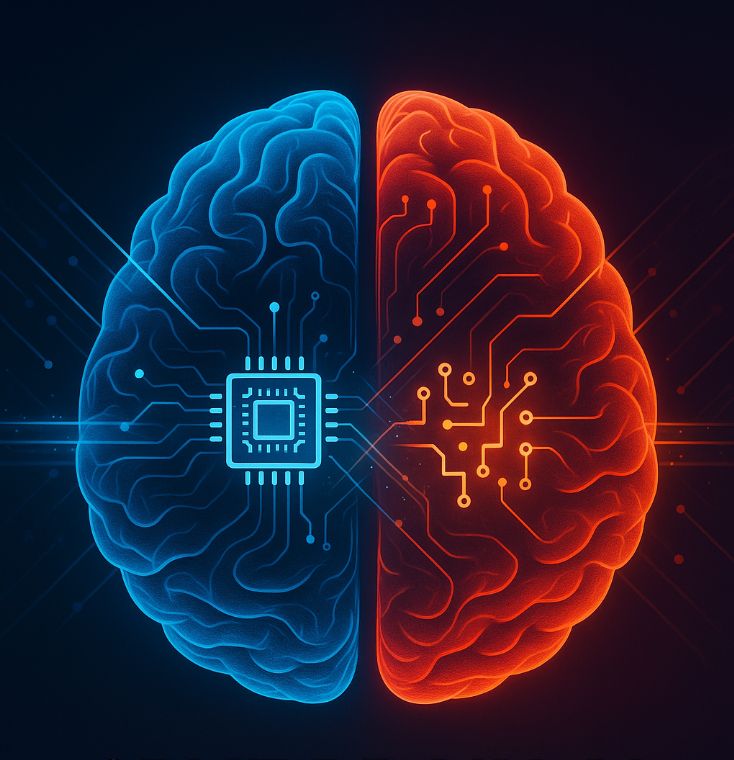
How capitalism exploits ancient instincts: Homo consumens
Humans live in a highly complex economic system. However, the brain did not evolve for it. It evolved in small groups under scarcity, danger, and constant competition. Therefore, capitalism does not create human behavior. It exploits pre-existing instincts. This mismatch defines modern life. The evolutionary foundation of human behavior For hundreds of thousands of years,…