This claim comes from Jaroslav Haščák, co-founder of the Penta Group and one of the most powerful men in Slovak business. His words, caught in the infamous Gorilla recordings, shocked the public but also revealed something deeper. Behind the vulgar tone lies an uncomfortable truth about how elites see democracy — not as an ideal, but as a tool.
Politicians change, the shadow structures remain in power, a dream of every power-obsessed politician.
The illusion of choice
Modern democracy looks participatory on paper. People vote, politicians campaign, and parties compete. Yet beneath this surface, money decides everything. Media exposure costs millions. Campaigns require donors. Parties without oligarchic or corporate backing rarely survive. Voters may feel empowered, but they choose between options crafted by financial and political elites. The menu changes, the kitchen stays the same.
The intelligence gap
Haščák’s insult may sound brutal, but it touches on a real weakness of democracy — the ignorance of the average voter. Most citizens do not understand economics, law, or geopolitics. They vote emotionally, not rationally. Propaganda exploits that. Media simplify complex realities into good-versus-evil stories. Algorithms reinforce tribalism. The result is a system where the least informed decide the fate of all. That is not equality; that is chaos in disguise.
Helpless voters
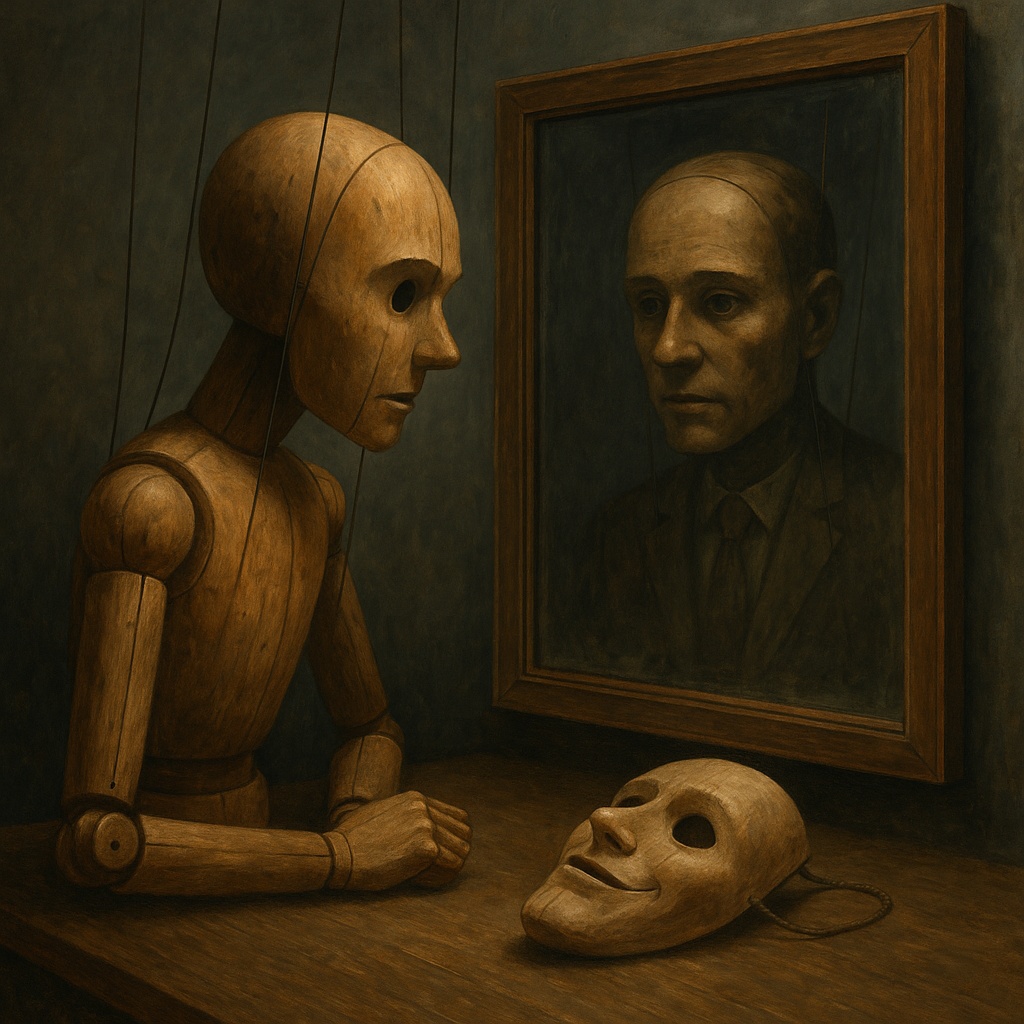
Ordinary citizens are helpless. They shout, argue, and protest, yet nothing changes. They believe their voice matters, but it does not. The system absorbs their anger, digests it, and moves on. Politicians rotate, policies remain. Power never shifts — it only changes its color and logo. People may switch parties, but the puppeteers stay the same. The illusion of control keeps them calm while decisions are made elsewhere.
If voters were intelligent
If voters were truly intelligent, the world would look different. Banking dynasties, big business, and oligarchs would be expelled from politics. Lobbyists and corporate donors would lose influence overnight. Media monopolies would collapse under scrutiny. Political parties would rise from the people, not from boardrooms. Intelligent voters would demand real transparency and dismantle the networks of privilege that thrive on public ignorance. They would end the era of movers and shakers pulling strings behind closed doors.
A good citizen would – if we are in the US environment – dig a grave for the beloved two party system.
They would establish a new agency for exposing shadow relationships inside the politics. Media would uncover each other whether one is under pressure of the super-rich.
Manufactured consent
Parties no longer represent ideas. They represent investors. Television, newspapers, and influencers shape perceptions through subtle manipulation. Scandals, polls, and slogans replace analysis. Voters react to feelings, not facts. In such an environment, elites can maintain control without open dictatorship. They create the illusion of choice, yet every option benefits them. As long as the public believes in the process, the system survives.
The democratic paradox
Democracy promises accountability but delivers inertia. It requires educated, informed, and rational citizens — yet produces the opposite. Politicians appeal to instincts, not intelligence. Complex reforms lose to populist slogans. Experts are ignored, thinkers mocked, and mediocrity rewarded. Every election restarts the cycle, confirming what Haščák cynically said: voters know nothing, and those who know manipulate them.
Between arrogance and reality
Haščák’s statement reveals arrogance, but also a diagnosis. Democracy as practiced today is structurally dependent on ignorance. The few who understand power have no interest in educating the many. Schools teach obedience, not judgment. Media entertain, not inform. As a result, society becomes governable only through deception. The oligarch laughs not because he hates democracy, but because he knows how easily it bends.
The path forward
If democracy is to survive, it must evolve. Transparency must replace manipulation. Education must foster critical thinking, not blind patriotism. Media must stop serving as propaganda machines. And voters must realize that democracy without understanding is just a ritual. Otherwise, Haščák’s words will remain accurate — not as an insult, but as a prophecy.
Leave a Reply