Tag: IQ
-
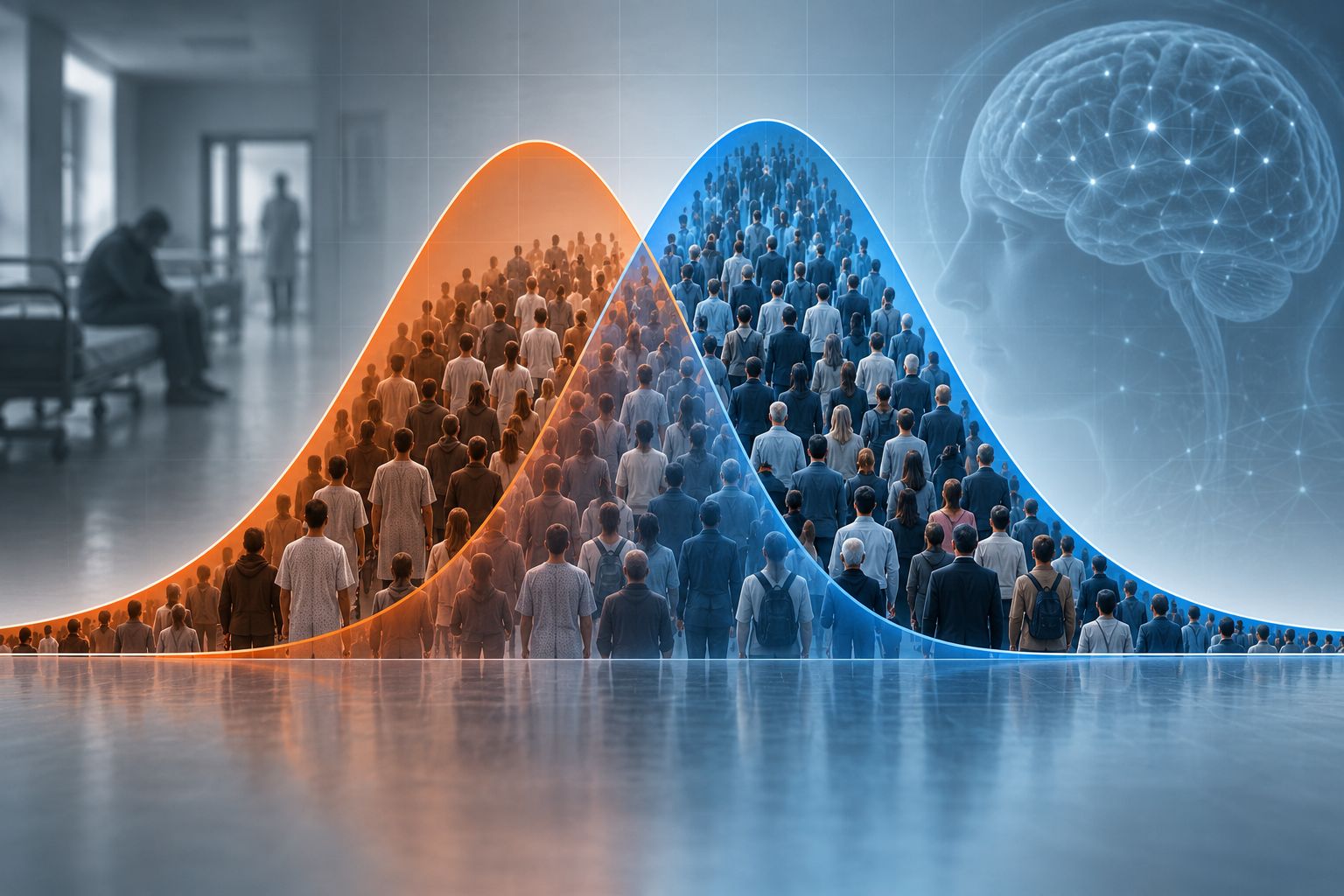
Lower IQ in psychiatric populations: A complicated relationship
I once discussed intelligence among psychiatric patients with my former psychiatrist. My impression was simple: people with psychiatric disorders seemed, on average, to have lower intelligence than the general population. He disagreed. At the time, my argument was largely anecdotal. Since then, however, I have had considerably more contact with psychiatric populations. I spent time…
-

Why society’s best minds work in the wrong places
Every election campaign sounds remarkably similar. Politicians promise better schools, better healthcare, more efficient public administration, and greater investment in science. Almost everyone agrees that these are among the pillars of a prosperous civilization. Parents want excellent teachers. Patients want excellent doctors. Citizens want competent public officials. Every country hopes for groundbreaking scientists whose discoveries…
-
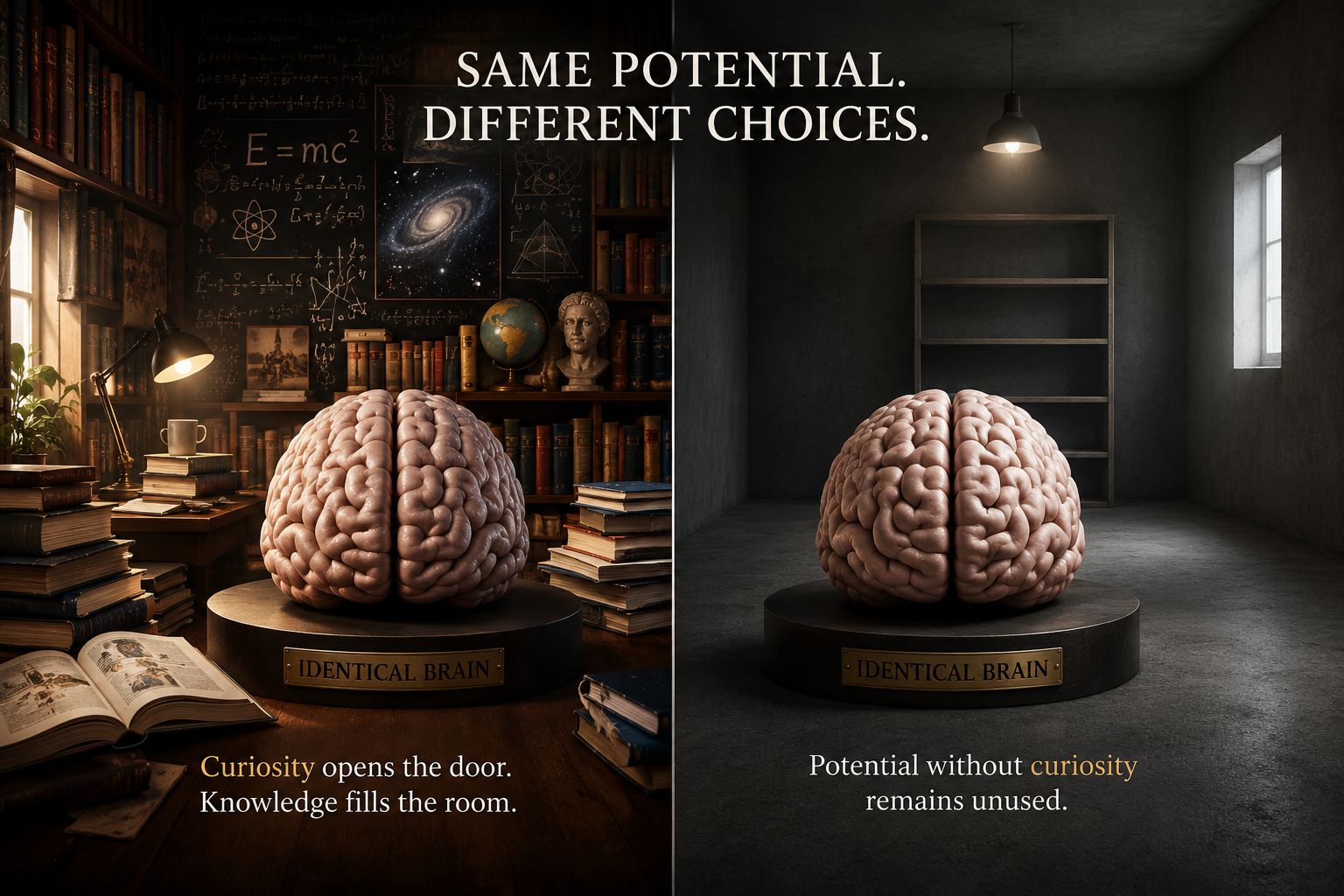
IQ and openness to experience: Why intelligence alone is not enough
Intelligence is often viewed as the key to success in education and intellectual achievement. Yet anyone who has met exceptionally bright people knows that high IQ does not automatically translate into broad knowledge, expertise, or creativity. Some individuals with extraordinary cognitive abilities spend their lives pursuing ideas, while others rarely engage in intellectual activities beyond…
-

How the education system maintains economic class structures
Education is often presented as society’s great equalizer. Regardless of where a person is born, the argument goes, talent and hard work should enable them to achieve success through learning. This belief forms the foundation of modern meritocracy. Schools and universities promise to reward intelligence, perseverance, and ability rather than family wealth or social background.…
-
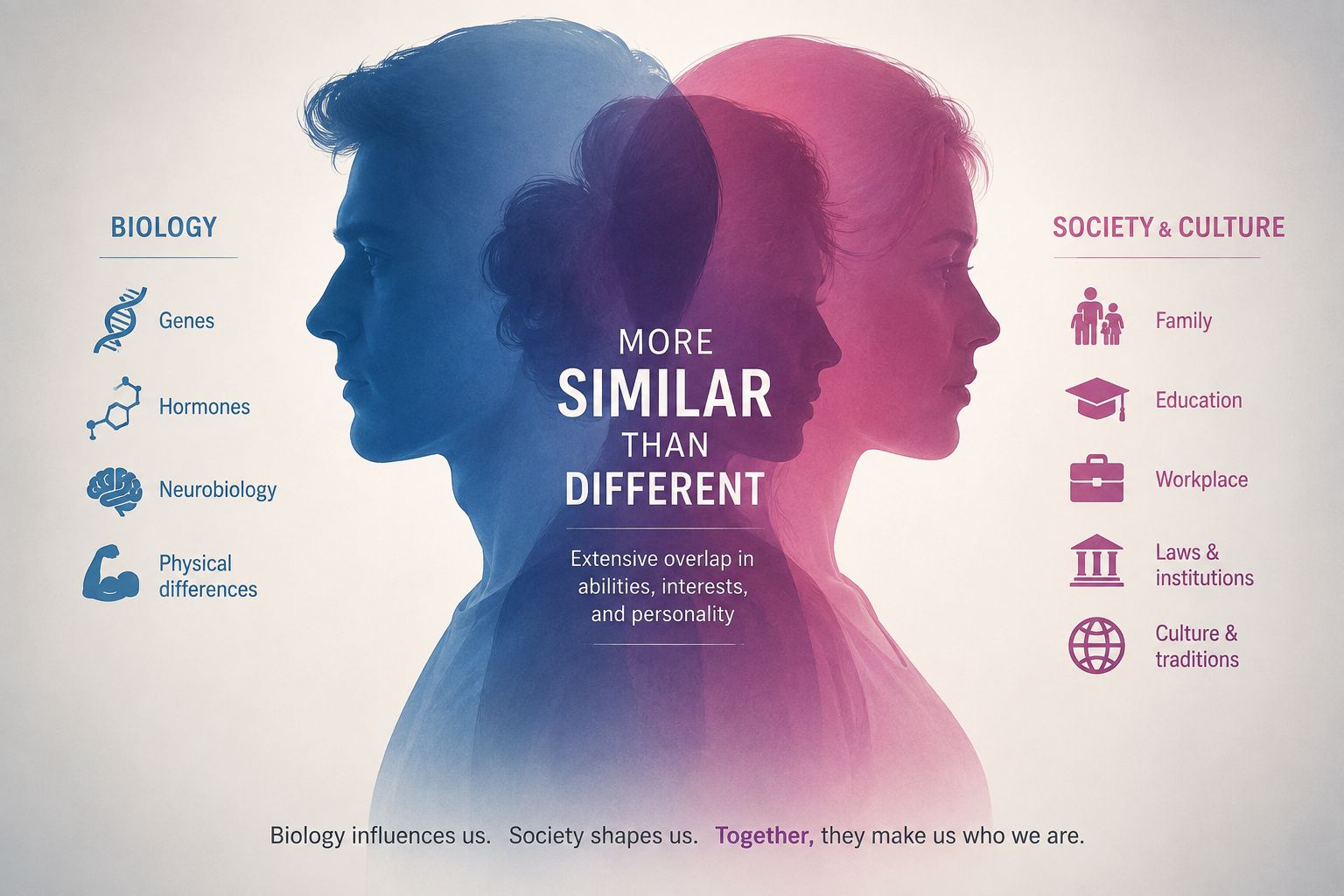
Gender inequality: Innate or acquired?
Few debates have generated more political heat than the origins of gender inequality. One side argues that men and women are born fundamentally different and that unequal outcomes naturally emerge from biology. The other claims that nearly every difference between the sexes is socially constructed and can therefore be eliminated through education and policy. Both…
-
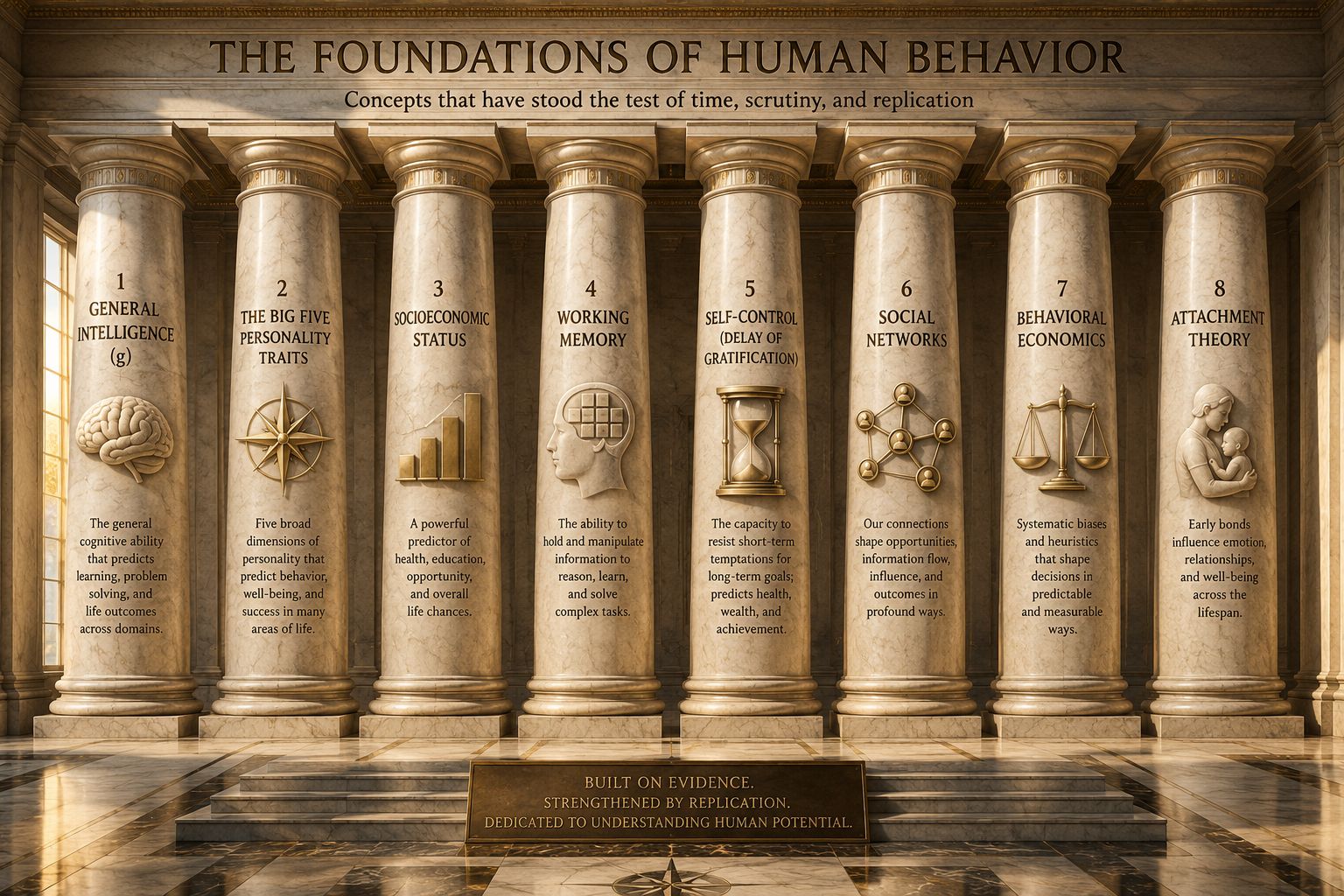
The most statistically robust concepts in the humanities
The humanities and social sciences have long struggled with a reputation for producing competing theories that rarely achieve universal acceptance. Unlike physics or chemistry, where experiments can isolate variables with extraordinary precision, researchers studying humans must deal with culture, history, genetics, education, economics, personality, and countless other influences that interact simultaneously. Consequently, many theories rise…
-

The curse of privilege: Why I don’t believe in free will
Every successful person enjoys hearing that they deserve everything they have achieved. Society constantly celebrates hard work, intelligence, discipline, determination, and perseverance. Those who become wealthy are often called self-made. Great scientists are praised for their brilliance. Successful entrepreneurs are admired for their vision. Writers are congratulated for their talent. At the same time, people…
-
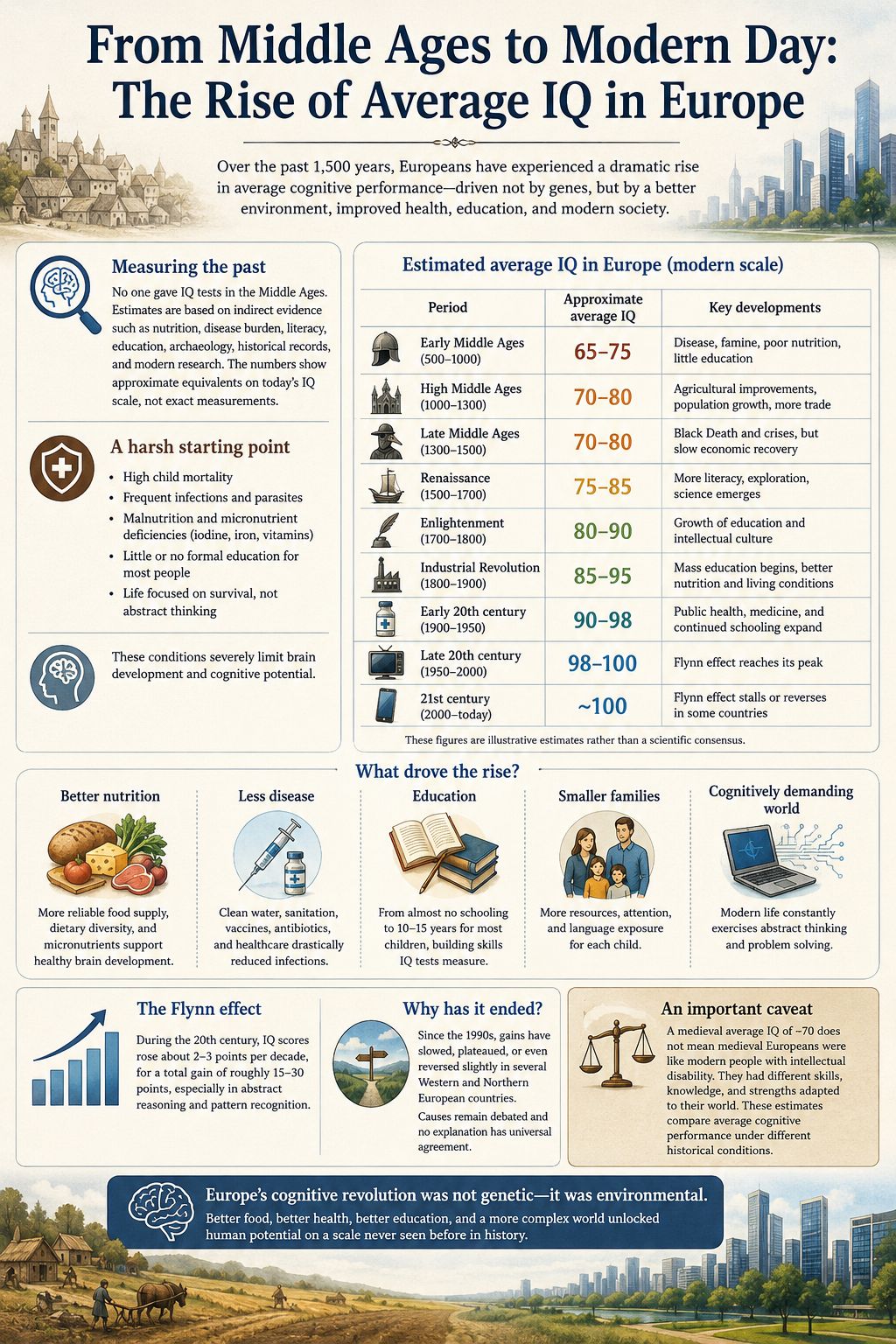
How average IQ may have risen by 30 points: From medieval peasants to modern Europeans
Walk through a medieval European village. Most people cannot read. Childhood diseases are everywhere. Food shortages are common. Parasites, contaminated water, and recurring epidemics shape everyday life. Children work from an early age instead of attending school. Scientific thinking barely exists outside monasteries and a handful of universities. Now compare that world with modern Europe.…
-
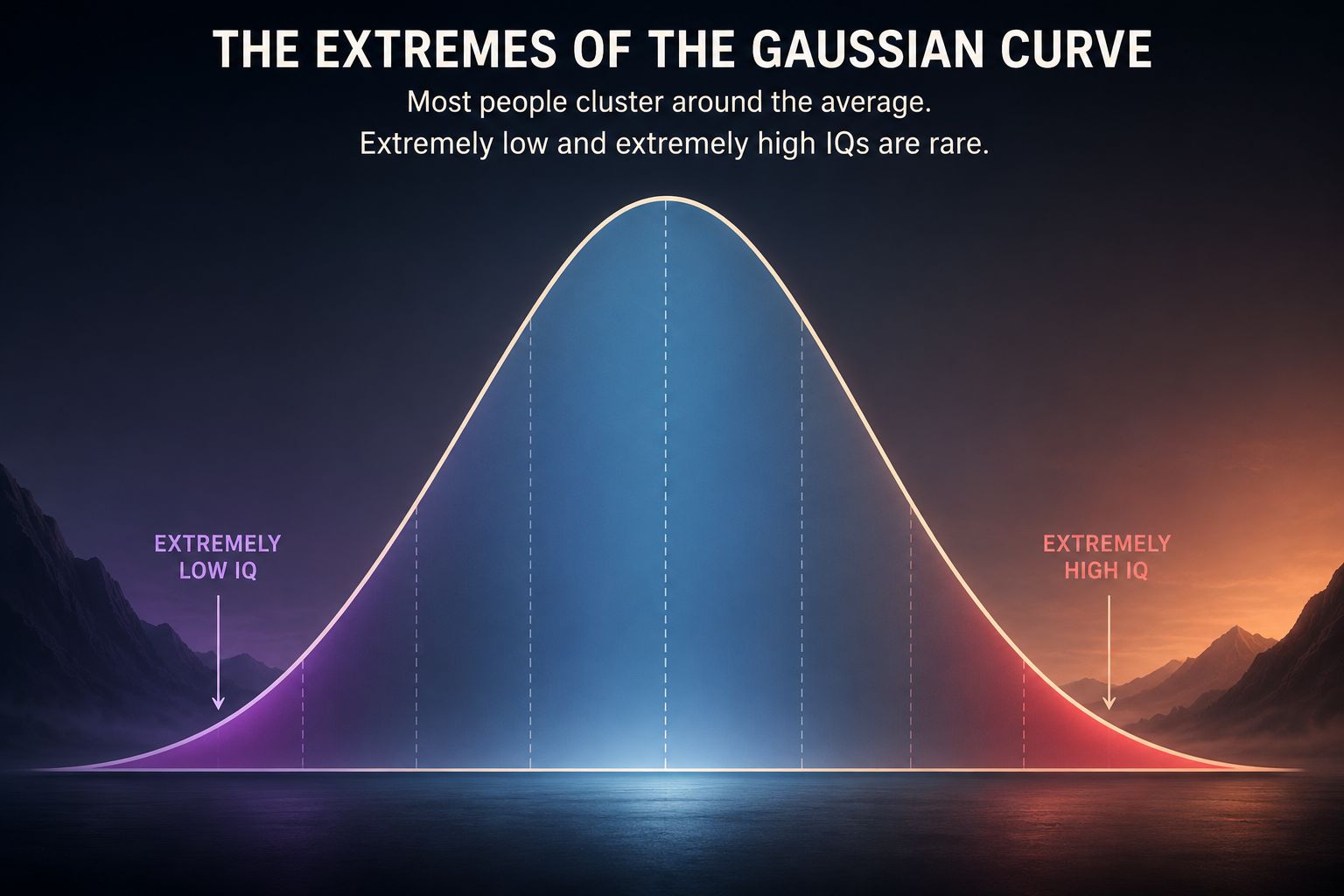
Why are almost all people with an IQ of 180 predicted to be men?
People often assume that intelligence researchers believe men are smarter than women. In reality, that is not the mainstream scientific position. Decades of research have found that men and women have essentially the same average IQ. If a difference exists, it is so small that it has little practical significance. The real controversy begins elsewhere,…
-

Why DNA can’t explain schizophrenia, intelligence, or appearance
Genetic research has become extraordinarily powerful. Scientists can sequence an entire human genome. They can compare millions of genetic variants between people. They can identify regions of DNA associated with schizophrenia, depression, height, facial structure, intelligence, and countless other characteristics. Nevertheless, finding genetic differences does not mean understanding them. We often imagine genes as individual…